Updates
Getting shipshape
March 21, 2022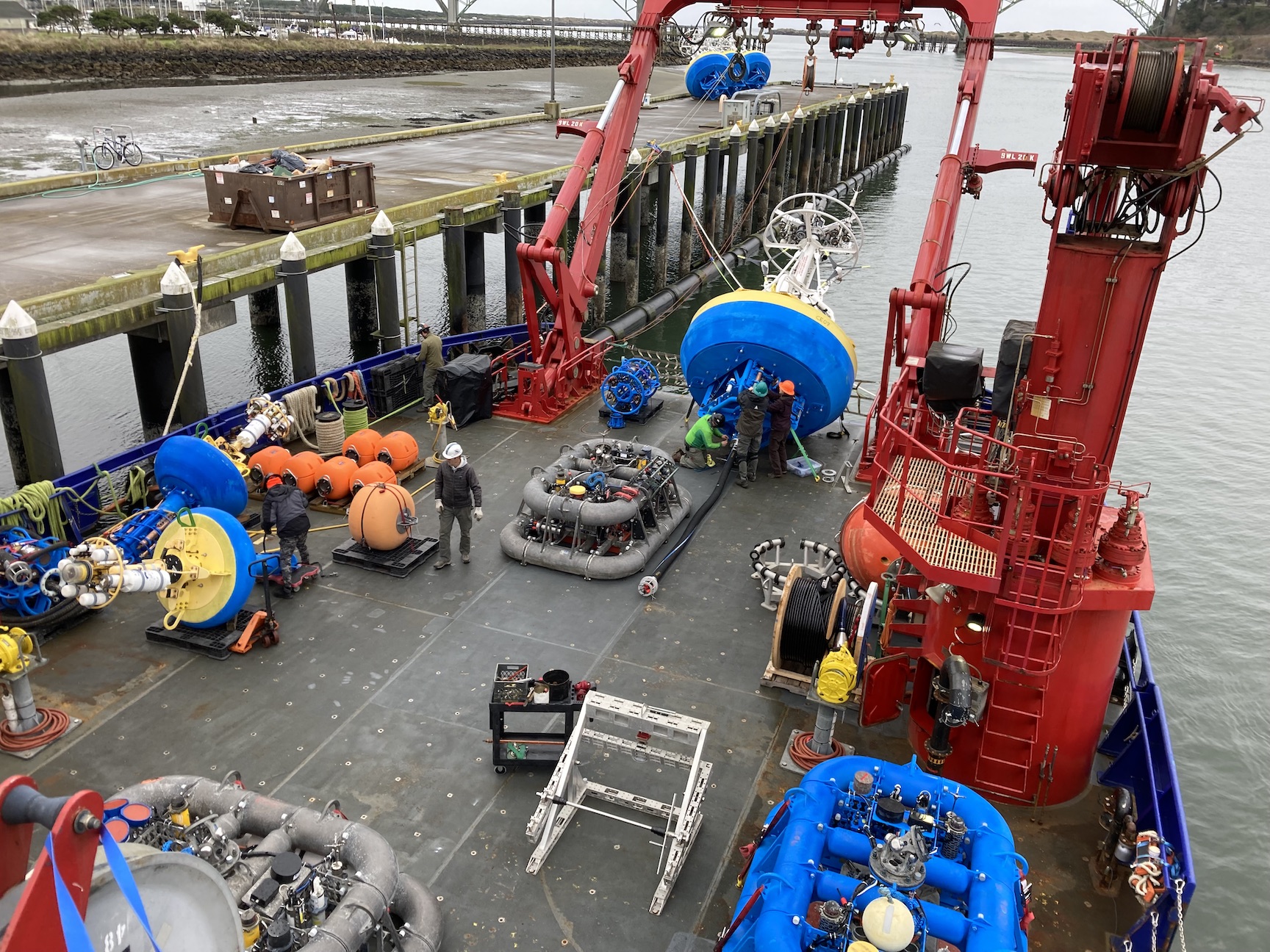
The deck of R/V Sikuliaq on day 2 of loading for OOI Endurance 16 cruise. Most of the gear the team needs for leg 1 is loaded. The remainder of the day the team completed testing of the Washington shelf mooring and tied things down on deck and in the lab.
Sediment trap mooring
February 7, 2022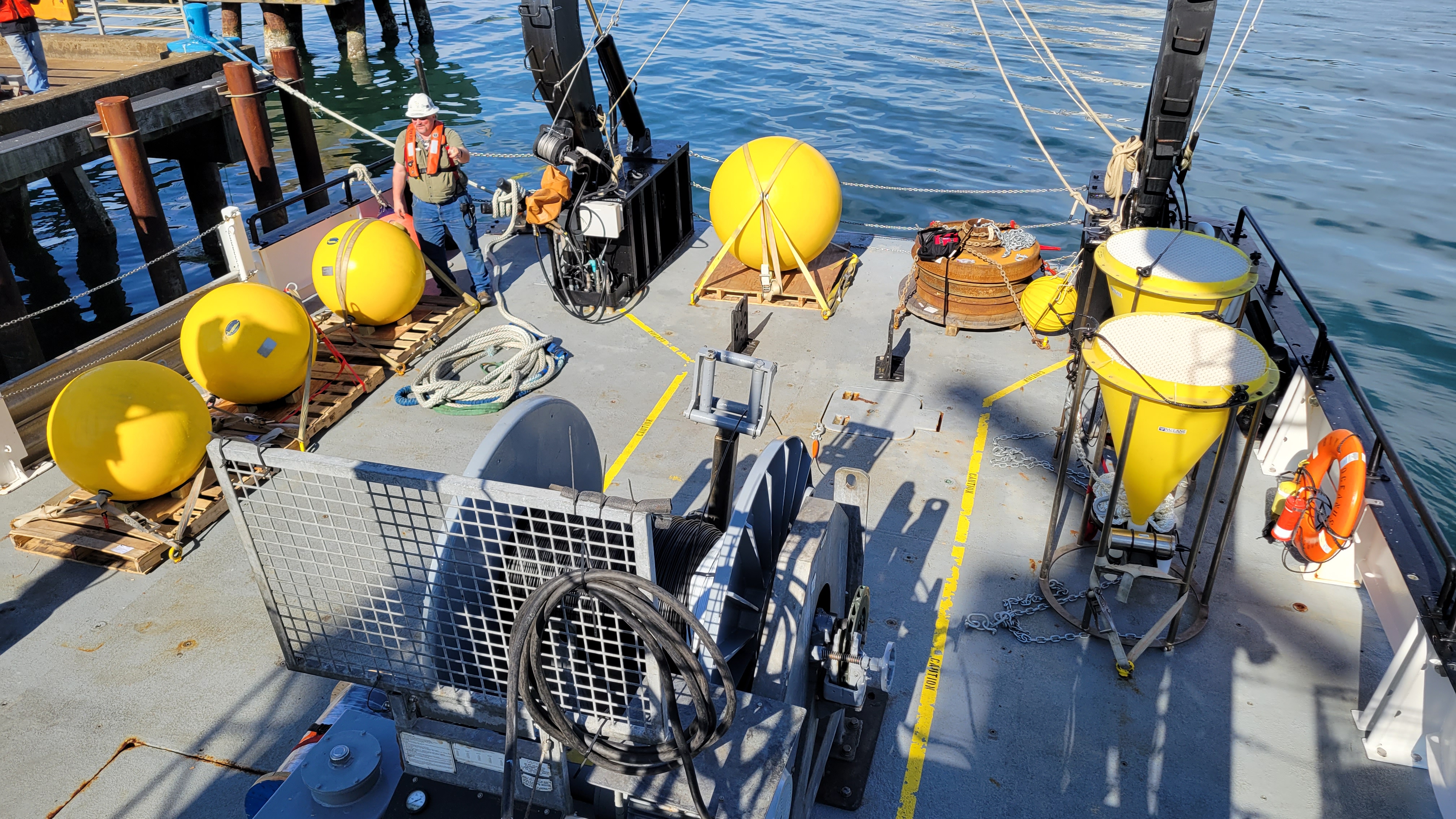
This image shows nearly all the equipment that comprises a typical sediment trap mooring. Syntactic buoys (yellow balls on left and ready for deployment), railroad wheel anchors (at stern), two sediment traps (yellow cylinders on right), mooring wire already spooled on winch. Missing from the photo are the acoustic releases, which can be seen in an earlier post.
Friendly float
February 7, 2022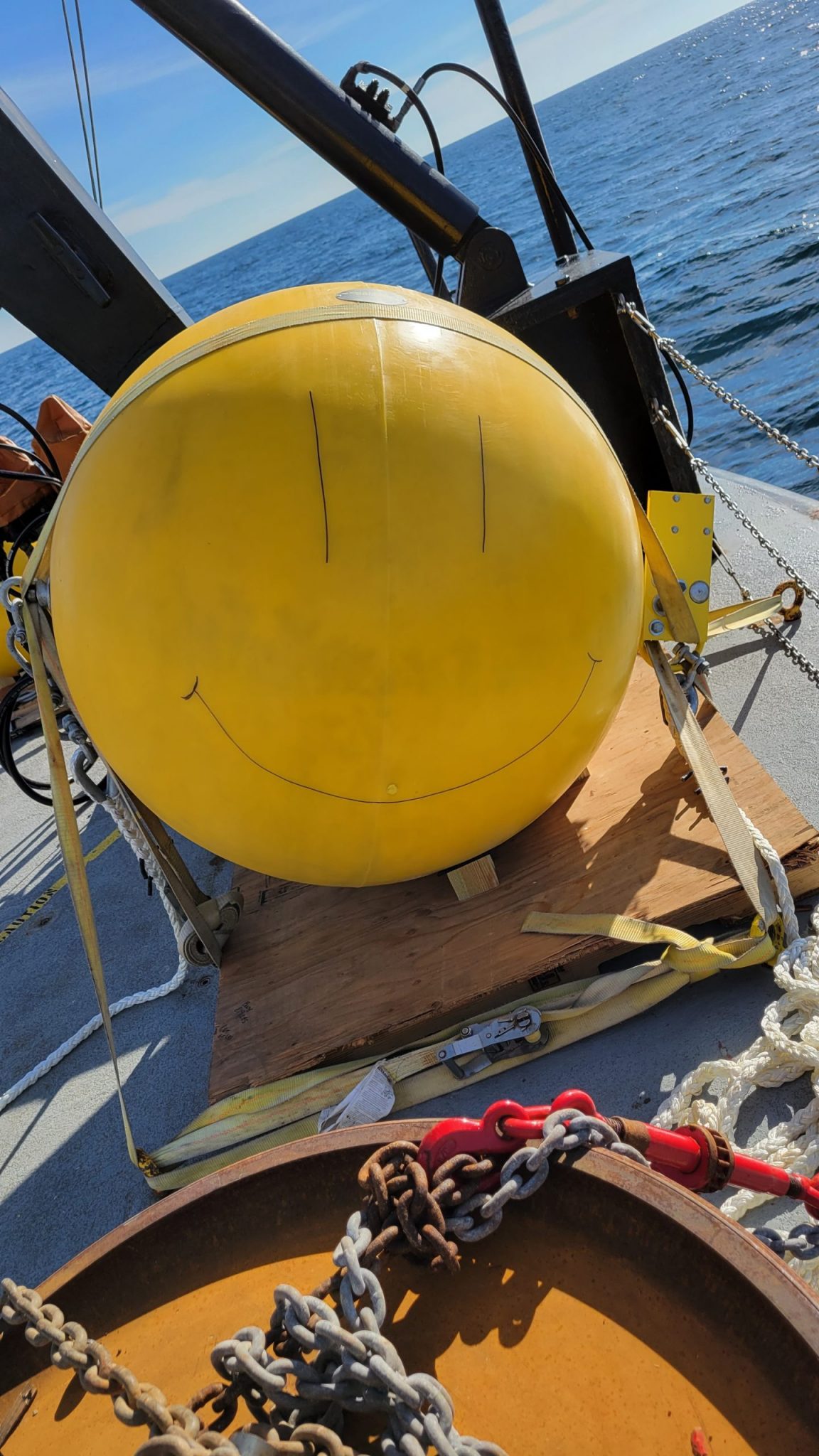
This float is part of the sediment trap deployment. Someone added a smiley face to let sealife know that we mean no harm.
Sediment Trap
February 7, 2022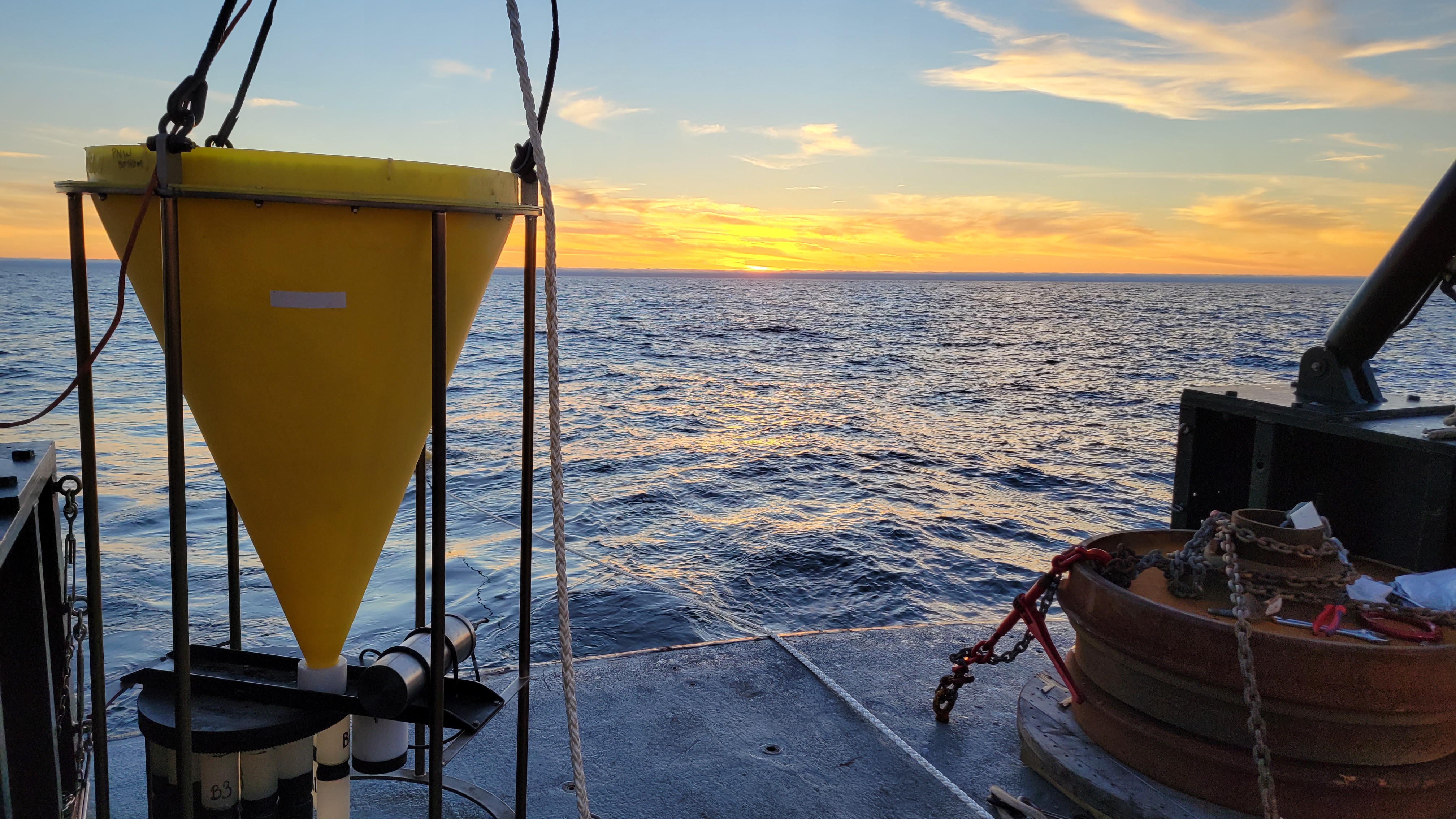
This is a McLane Mark VII 13 cup Sediment Trap, which is used to collect a time-series of material falling through the water column. The stack of three railroad wheels (on right) are the anchor.
Acoustic Releases
February 7, 2022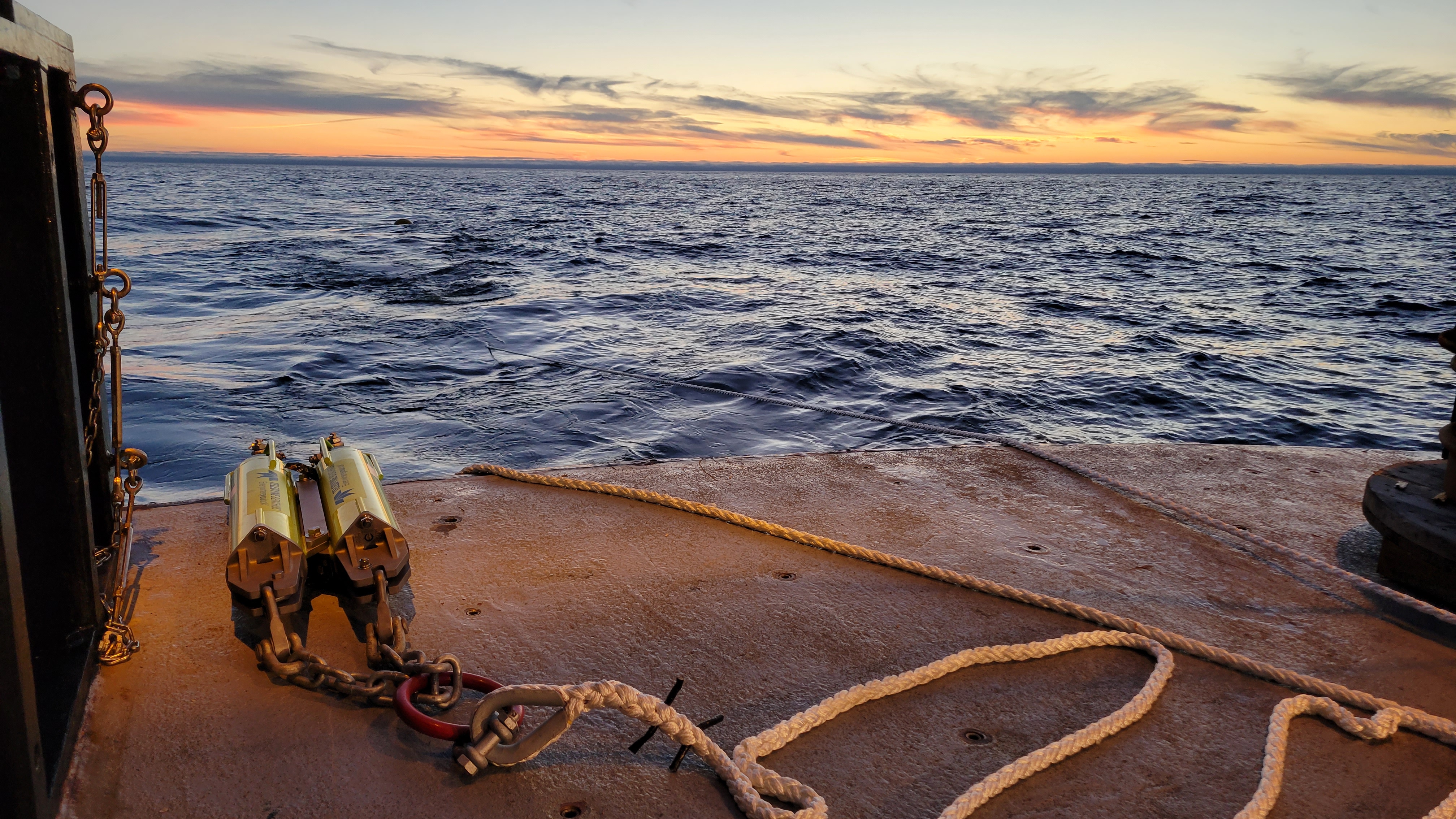
Two Teledyne/Benthos R12K Acoustic Releases are connected in tandem as they await deployment. The Acoustic Releases are deployed as part of the anchor assembly for the sediment trap mooring. The R12K releases can be deployed in up to 12,000 meters of water for up to four years on a standard battery pack.
Profiler Moorings
January 26, 2022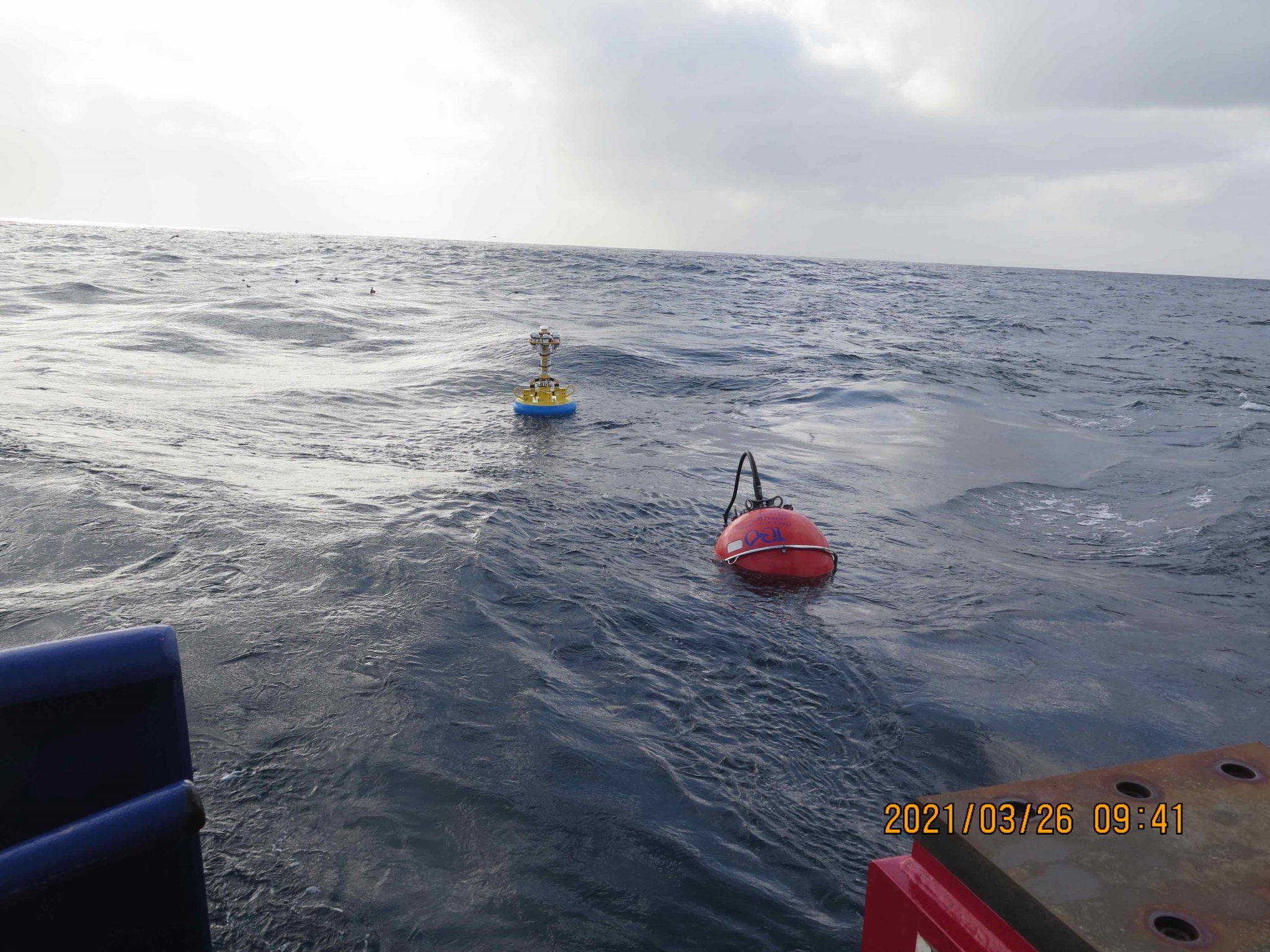
The Coastal Endurance Array includes five profiler moorings deployed inshore, at the shelf, and offshore. These moorings take measurements up and down the water column. The inshore and shelf surface piercing profilers allows for the sampling of near surface phenomena as the profiler travels through the water then breaches the surface. Fine resolution sampling of the water column, particularly at the very surface of the water, provides key insights into…
Surface Moorings
January 25, 2022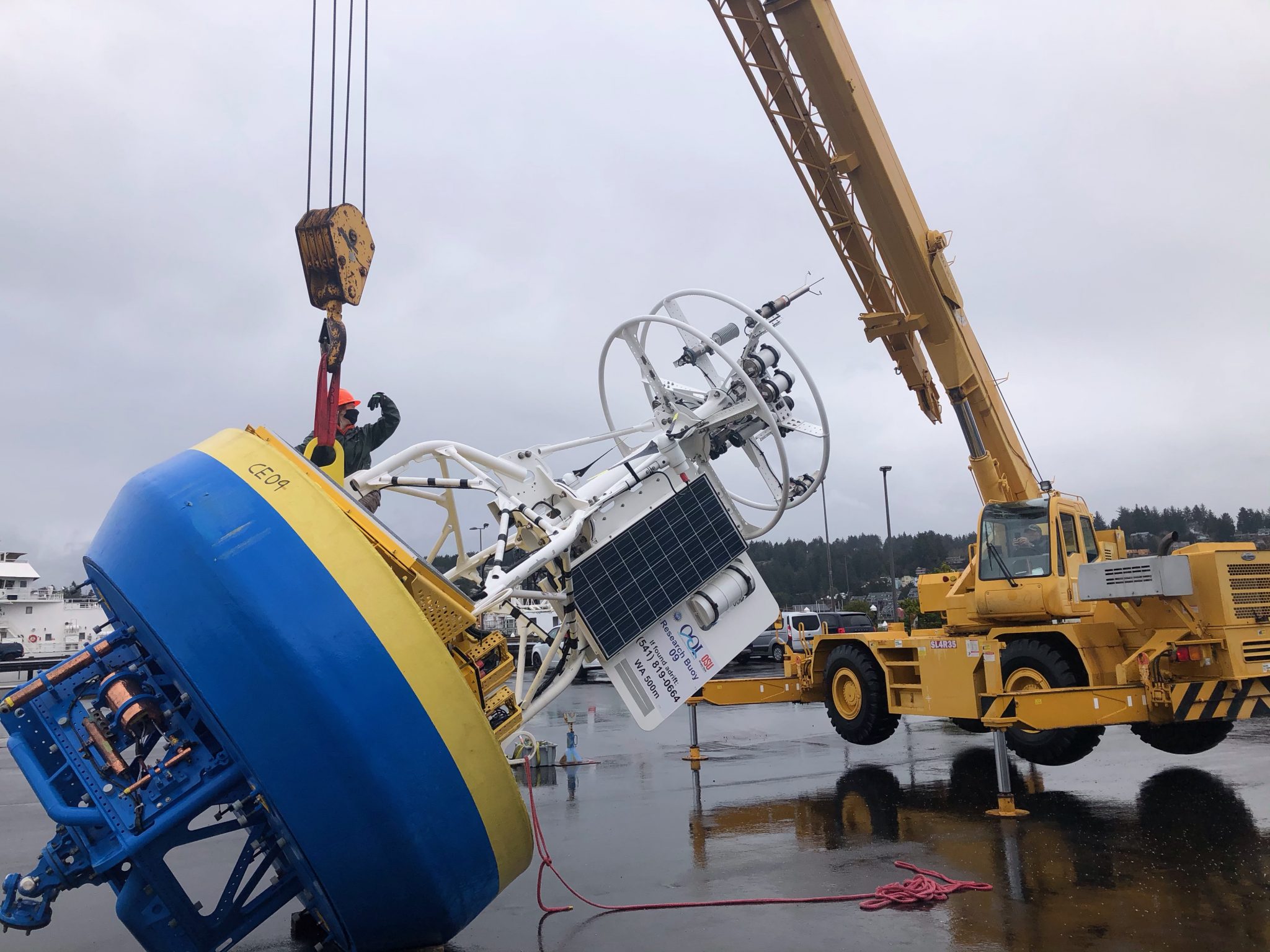
During the Coastal Endurance 16 expedition, the team will deploy and recover six surface moorings, one profiler moorings, and recover three gliders. The team will also be conducting missions with gliders to take oceanographic observations in the vicinity of the moorings. These observations serve to validate observations at the moored sites, as well as expand the area from which data are collected. Another activity that will be undertaken is CTD…
Work Underway
January 24, 2022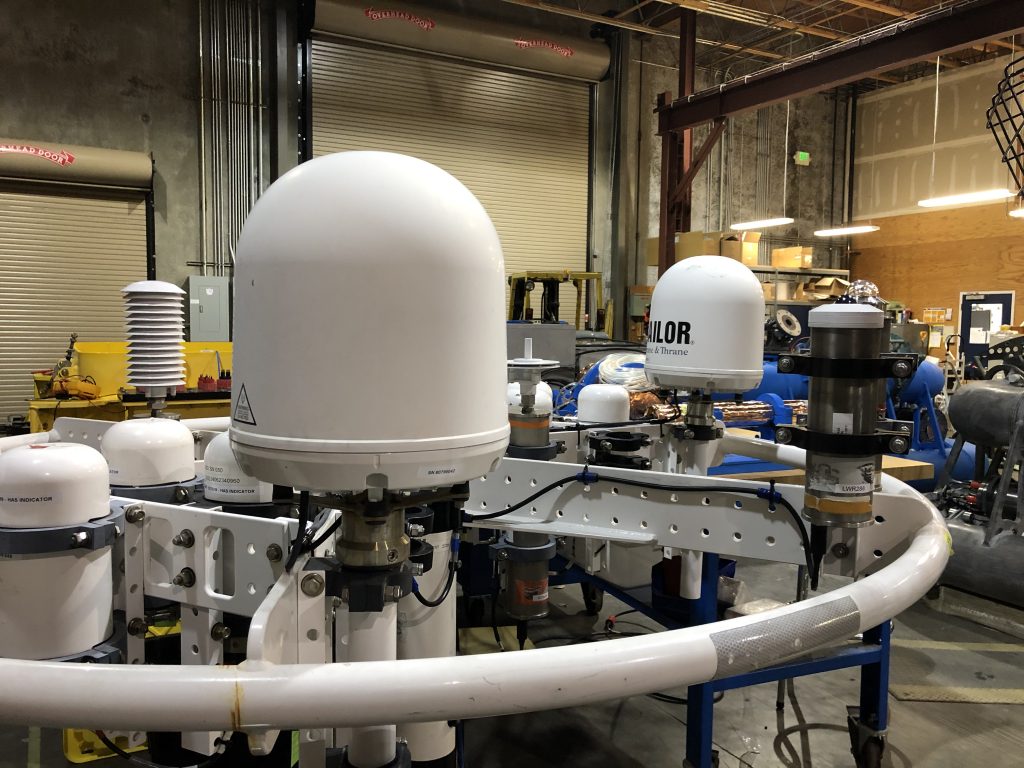
The Coastal Endurance Array is complex, consisting of multiple components to gather ocean observations and send them to shore. Once the moorings and their instrumentation are recovered, it takes the Coastal Endurance Team about six months to take them all apart, clean, repair, refurbish, and replace, as necessary, to ensure when the moorings go back into the water all systems are functional. All components are put through rigorous testing before…
Gliders
January 22, 2022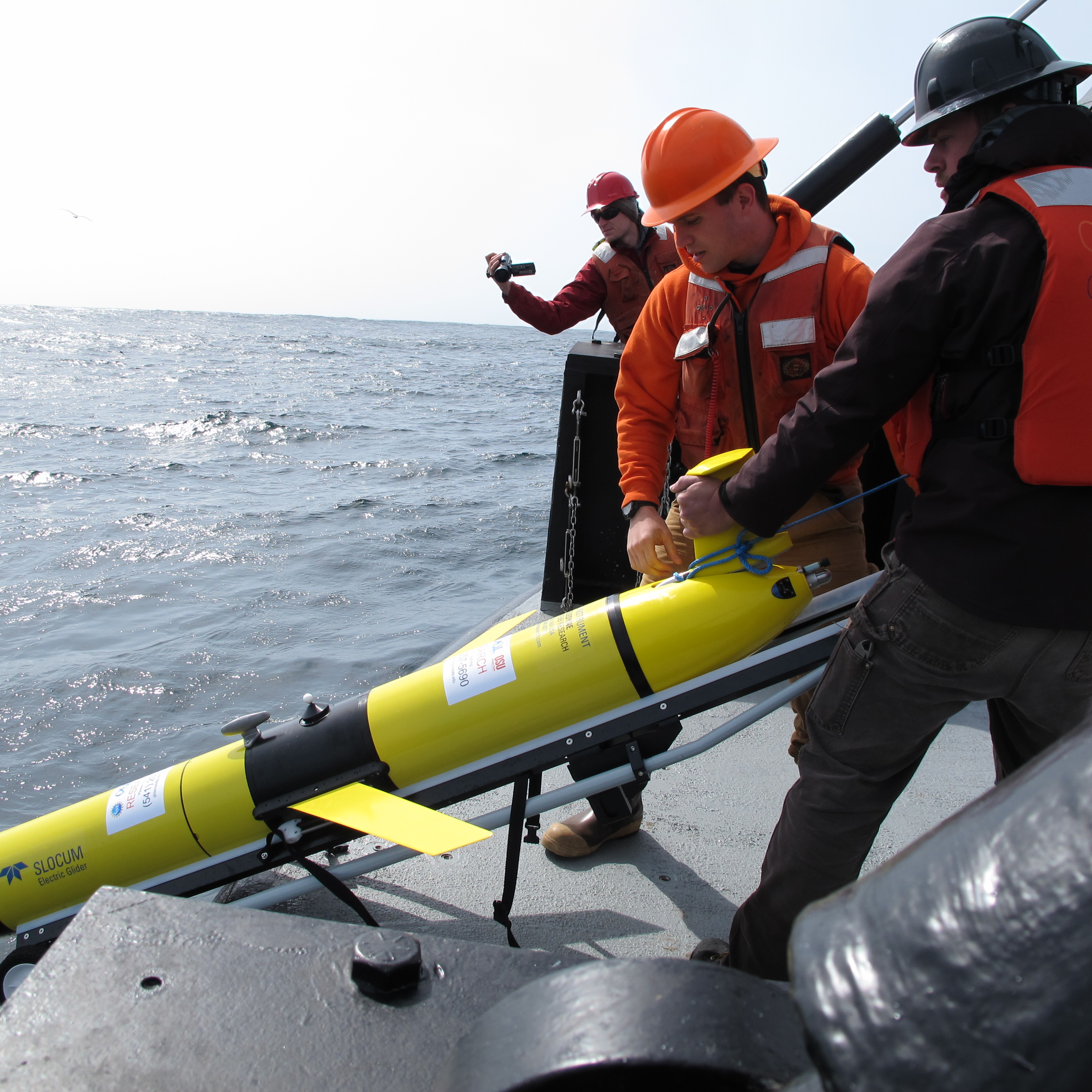
An array of ~6 gliders travels along five east-west transect lines within the Coastal Endurance Array from approximately the 20-m isobaths to 126 W (and out to 128 W along the Oregon and Washington lines), as well as a north-south transect along 126 W. They collect ocean observing data to supplement those collected by the stationary moorings. Gliders are buoyancy-driven mobile assets. They change their buoyancy by drawing in water…
CTD Rosettes
January 20, 2022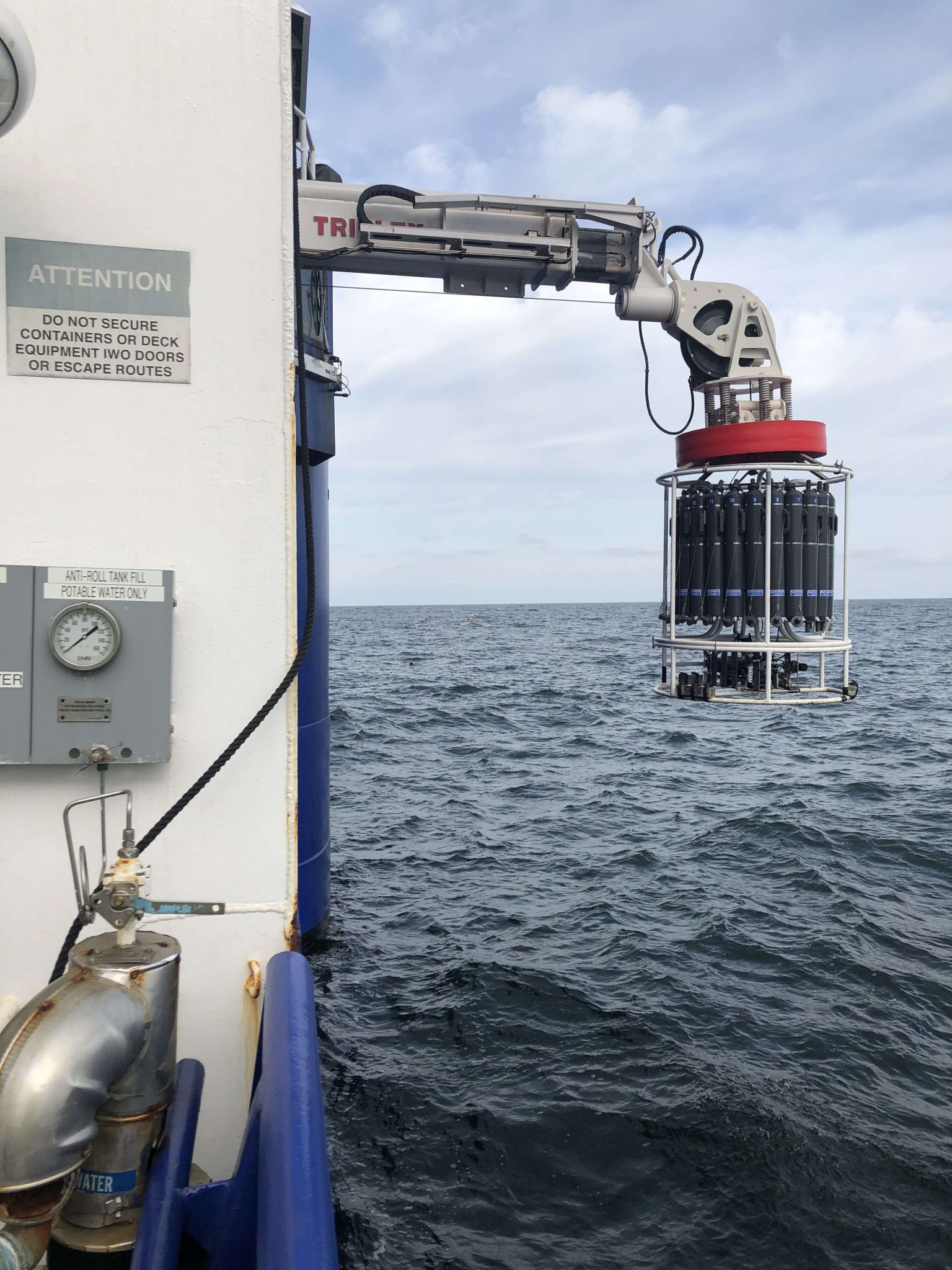
An activity that happens on every Coastal Endurance cruise are CTD (Conductivity, Temperature, and Depth) casts. CTDs are used to collect water samples at the deployment and recovery sites to allow scientists to compare ship versus buoy meteorological measurements at surface mooring sites. This data is also important for calibrating other instruments on the moorings.
- « Previous
- 1
- …
- 44
- 45
- 46