Skip to content

Woods Hole Center for Oceans and Human Health

Woods Hole Center for Oceans and Human Health

Woods Hole Center for Oceans and Human Health

Woods Hole Center for Oceans and Human Health

Woods Hole Center for Oceans and Human Health

Woods Hole Center for Oceans and Human Health

Woods Hole Center for Oceans and Human Health

Woods Hole Center for Oceans and Human Health

The health of the oceans and the health of humans go hand in hand. Sustaining life in a variety of different ways, oceans provide us with the air we breathe, the food we eat, even some of the medicines we use to cure disease. However, imbalance in the oceans can have deleterious effects on human health. In particular, proliferation of harmful algal blooms and pathogenic microbes can cause human illness or, in acute cases, death, while also wreaking economic havoc through beach and fishery closures. Understanding this corollary between the health of the ocean and our own, policymakers and researchers sought to emphasize an inter-disciplinary approach in studying this important relationship, pairing oceanographers and other scientists with biomedical experts.

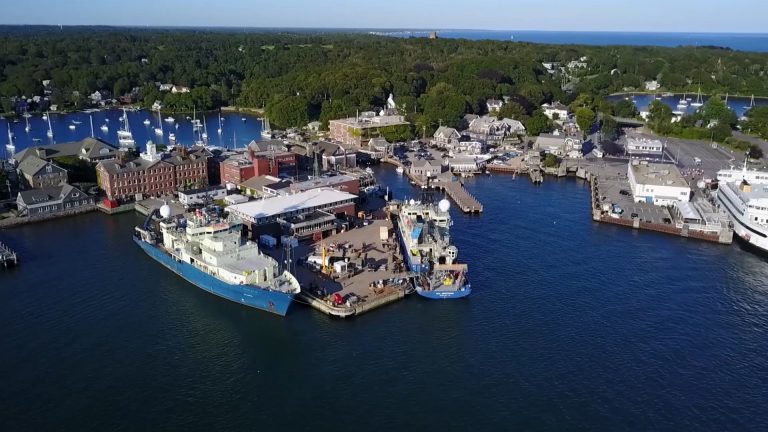
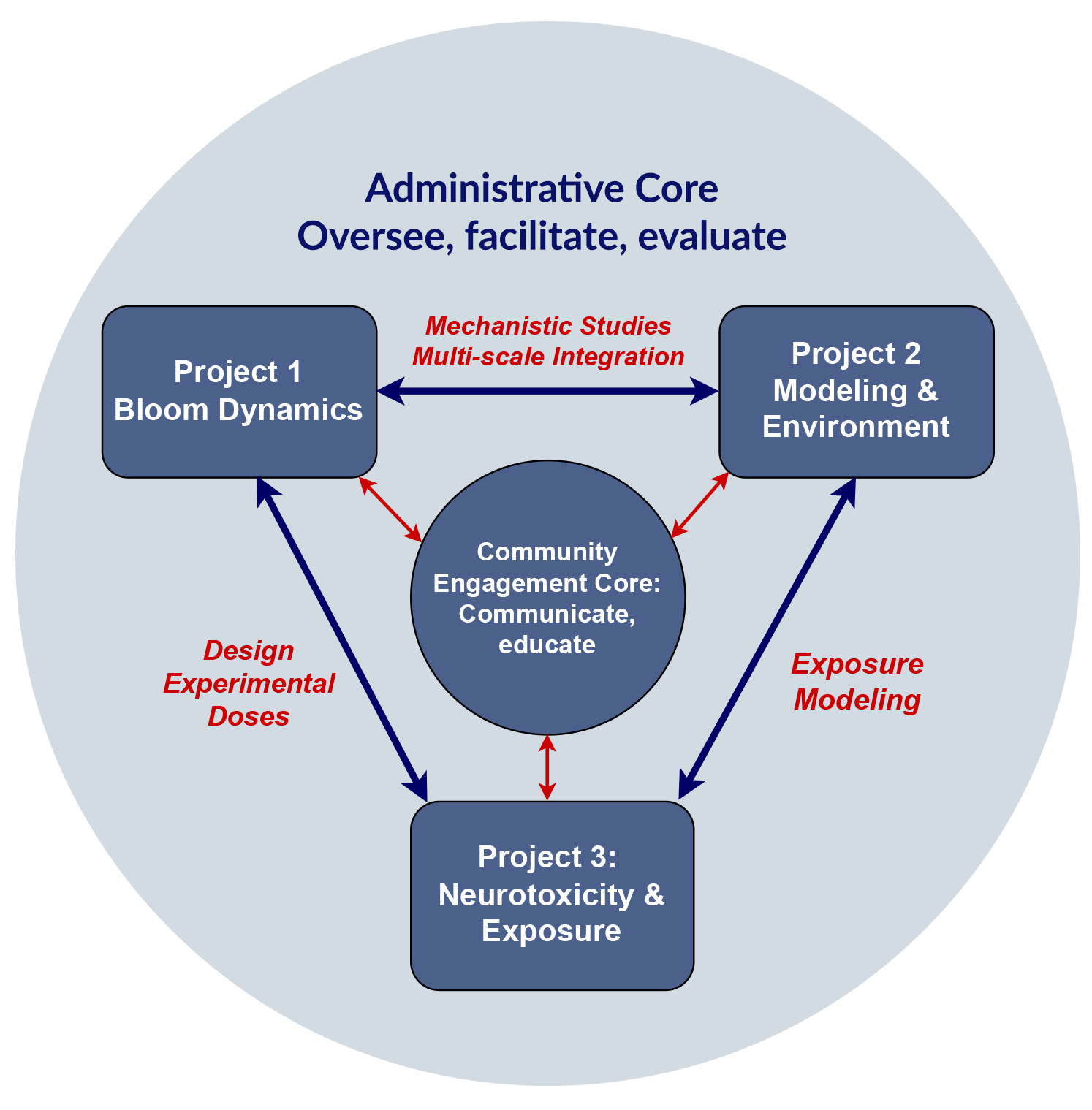
The Woods Hole Center for Oceans and Human Health (WHCOHH) is an interdisciplinary center focused on the interface of human health and ocean health and facilitates an integrated research program pairing oceanographers and other scientists with biomedical experts. Current research focuses on fundamental questions regarding the nature of harmful algal blooms (HAB), environmental factors that influence bloom conditions, and toxicological processes that relate to human health concerns.
WHCOHH JP Student Serena Negroni Awarded MIT HEALS Graduate Fellowship

By mrichlen

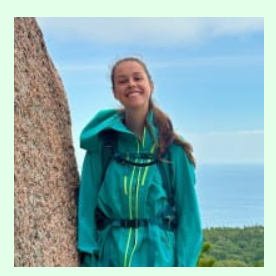
ongratulations to WHCOHH Joint Program student Serena Negroni, who has been selected as a 2026–2027 MIT HEALS Graduate Fellow.

The MIT HEALS Graduate Fellowship supports outstanding graduate students whose work advances bold, interdisciplinary approaches to health research. As MIT HEALS describes its fellows, they are “bold, cross-disciplinary thinkers tackling major challenges in health and life sciences.”

Congratulations to Serena on this well-deserved recognition!

View the full list of 2026–2027 MIT HEALS Graduate Fellows: https://heals.mit.edu/graduate-fellowships/#fellows

Centers for Oceans and Human Health Annual Meeting

By mrichlen

The Joint Centers for Oceans and Human Health Annual Meeting was held from May 18-20 in Woods Hole, MA. Thanks to all for attending! Please visit the conference website for more information: https://events.whoi.edu/cohh4.

New Publication: Introducing “Algal-dromes”

By mrichlen

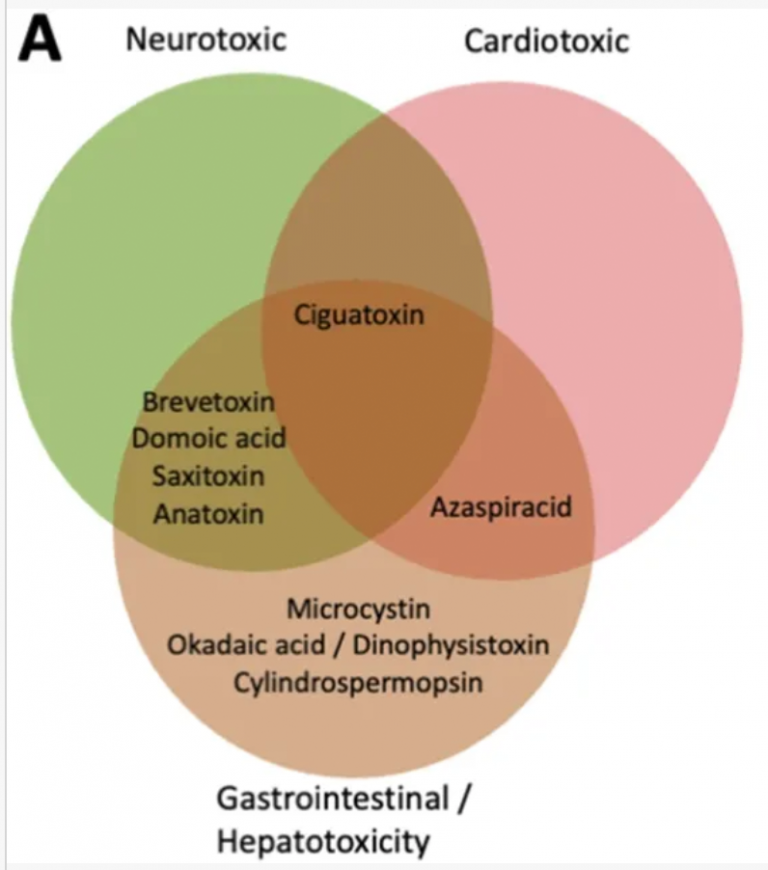
Harmful algal blooms (HABs) are increasing worldwide, but their impacts on human health remain underrecognized and difficult to diagnose. A new paper co-authored by CEC Lead Mindy Richlen introduces the concept of “algal-dromes”—a novel framework for understanding the syndromes caused by exposure to algal toxins. By grouping illnesses based on shared mechanisms of action, this approach helps simplify diagnosis and highlights connections across toxin types. Please click HERE to view and download.

13th U.S. Symposium on Harmful Algae – Registration open!

By mrichlen

Early Registration now open for the 13th U.S. Symposium on Harmful Algae (US-HABs 2026), to be held October 25–29, 2026 in Cedar Rapids, Iowa. Researchers, students, and professionals working on all aspects of harmful algal blooms are invited to attend!

WHOI Joins Bloom Response Effort in Australia

By mrichlen

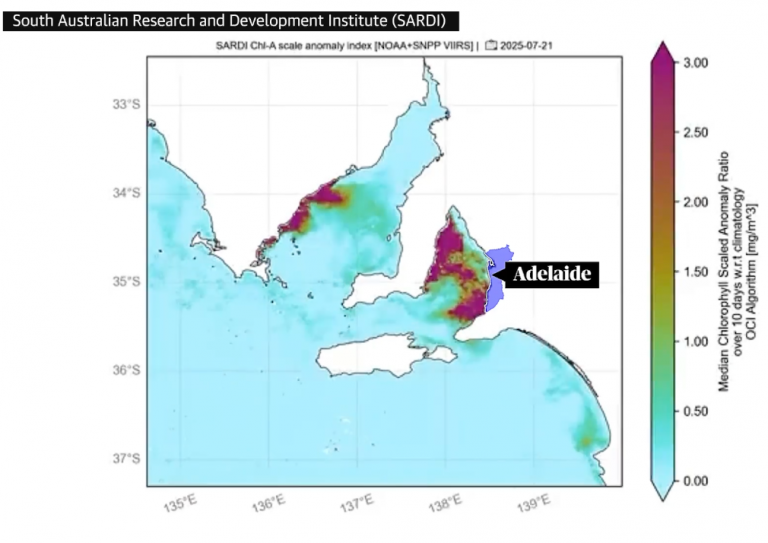
Project 1 Co-Investigator Don Anderson recently joined an international team providing guidance to government officials in South Australia as they respond to the catastrophic impacts of a massive Karenia bloom.  The event has devastated wildlife and caused respiratory symptoms in beachgoers.

Learn more about this event and Dr. Anderson’s participation here and here.

Saving Our Ponds Film Series!

By mrichlen

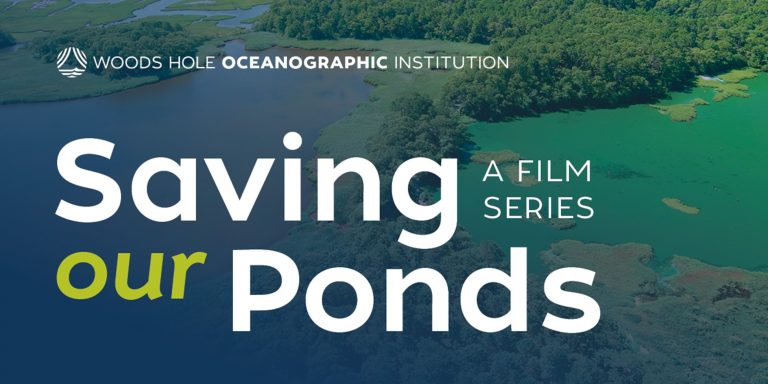
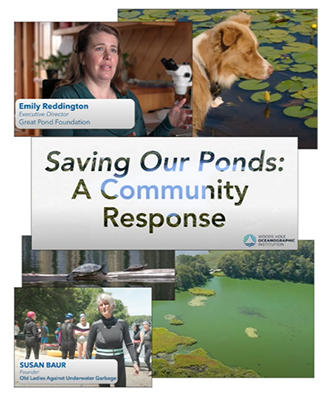
The WHCOHH Community Engagement Core and Circuit Films, in collaboration with many community partners, created an outreach film series entitled “Saving Our Ponds”. The six-video series explores the recent increase and impacts of these blooms, discusses how individuals can protect themselves and their pets, and highlights the importance of preserving and restoring water quality. The “Saving Our Ponds” film series is available for viewing on WHOI’s YouTube channel.

Learn about new HABhub features and capabilities!

By mrichlen

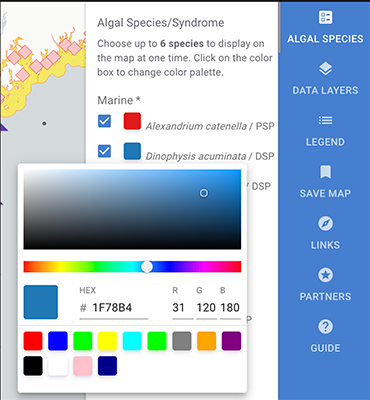
Visit the HABhub blog to learn about latest updates to the WHOI HABhub, and how these tools and features promote data access and analysis.

Saving Our Ponds Featured by NIEHS and PEPH

By mrichlen

The six-part outreach film series Saving Our Ponds, created by the WHCOHH CEC, was recently highlighted as “Featured Material” by the Partnerships for Environmental Public Health (PEPH) network and featured in the August 2024 issue of Environmental Factor from NIEHS.

View the series playlist and watch individual films here.

Strategic Framework for Community Engagement in Oceans and Human Health

By mrichlen

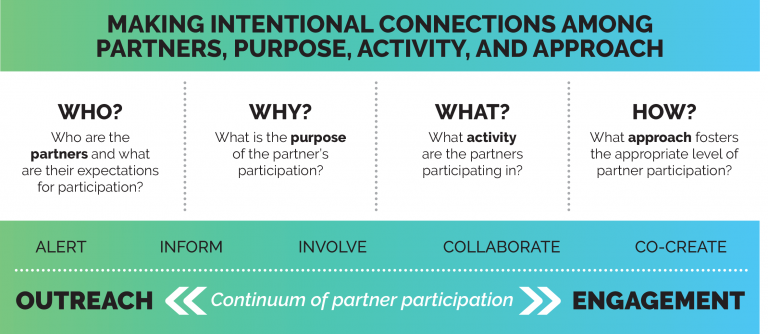
CEC project lead Richlen collaborated with CEC personnel from the other Centers to develop and publish a strategic framework to support OHH researchers in coordinating partners, purpose, activities, and approaches intentionally in their work with communities. Read more HERE.

Northeast HAB Website

By mrichlen

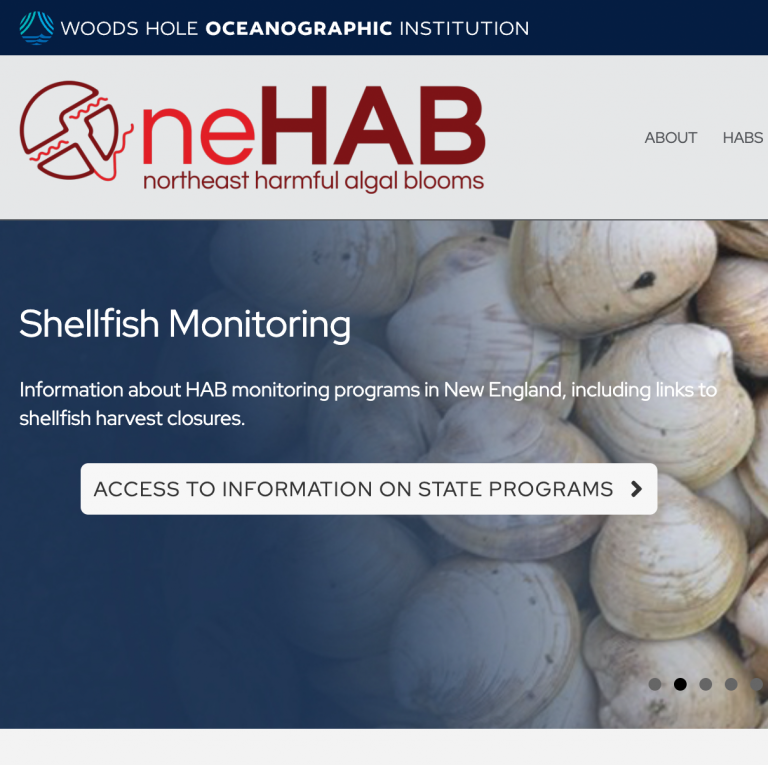
The management of harmful algal blooms (HABs) in New England has grown more challenging due to the emergence of New HAB species that can cause seafood poisoning and disrupt ecosystems. The Northeast HAB website was created as a regional resource that provides background information as well as access to bloom monitoring data and commentary, forecasting model products, and data collected by HAB sensors deployed throughout the region.

The project is jointly sponsored by