Posts by regionalcabledarray
Diving in Some of the Most Biologically Productive Waters in the NE Pacifc
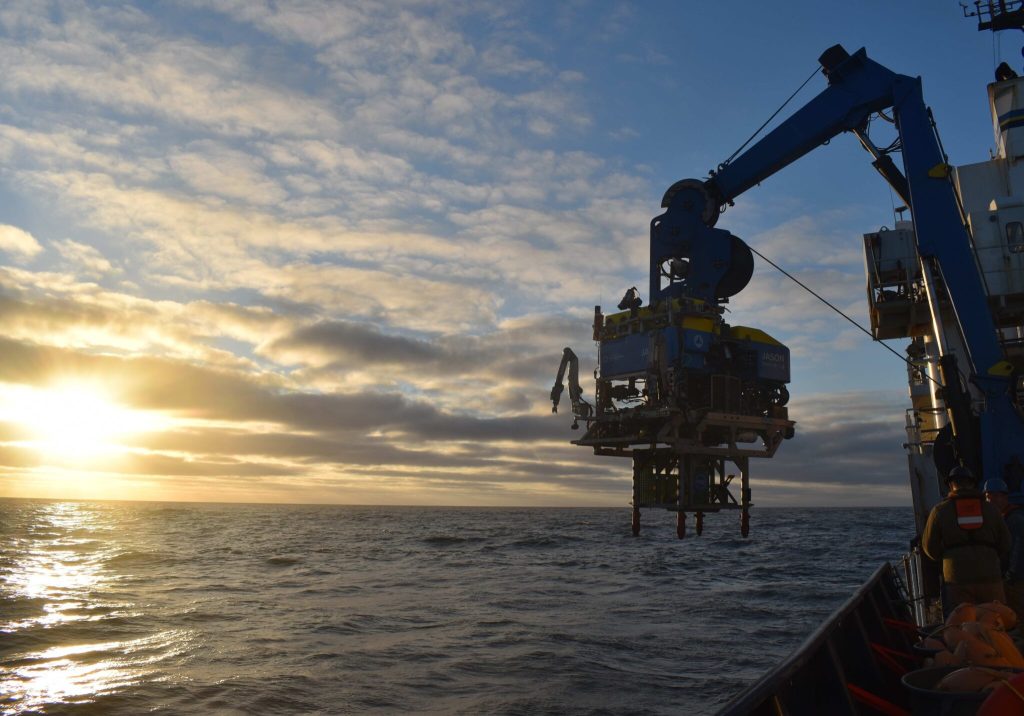
Our first stop was also our shallowest: the Oregon Shelf site, at just 80 m water depth and about an hour from Newport. But shallow means anything but simple. At this site, high currents and low visibility due to abundant biology and well stirred sediments can make it impossible to see even a foot in front…
Read MoreThe 2026 Regional Cabled Array Expedition is Underway
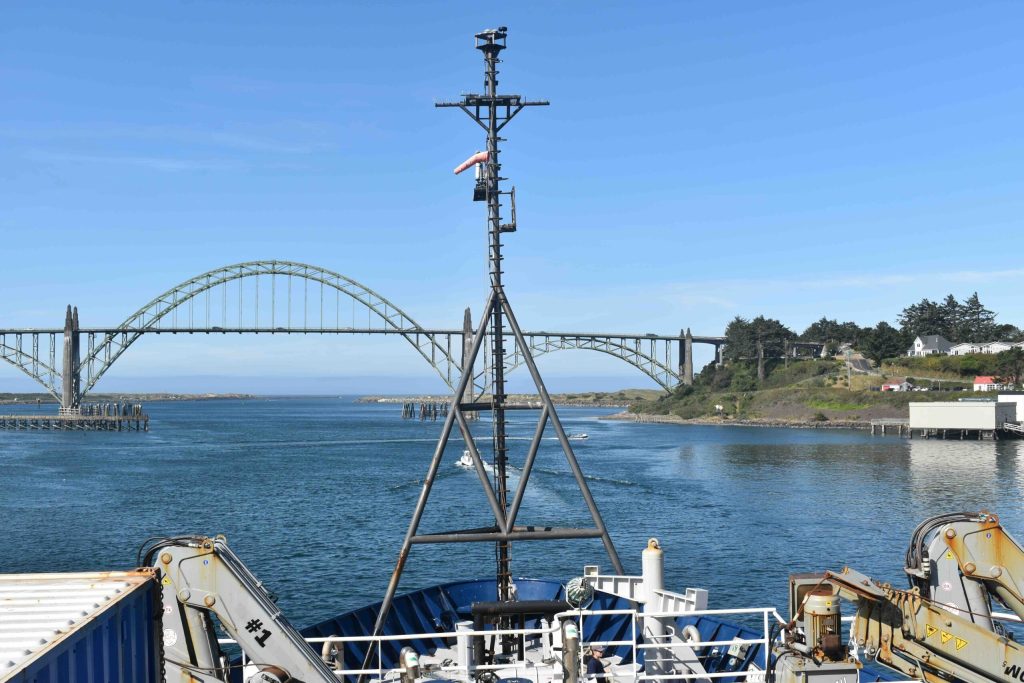
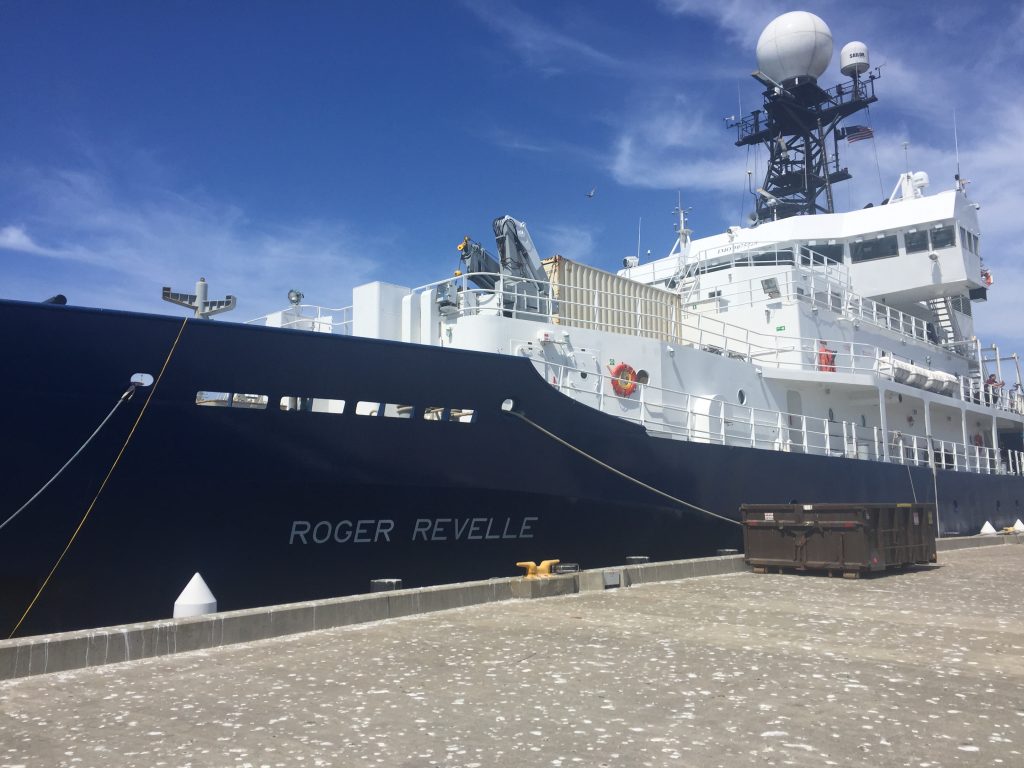
The past week has been a whirlwind of activity in preparation for departure. Once again, it has been almost exactly one year since our team was heading out to sea. Similar to last year, there has been a huge effort over the last few days by the RCA, Jason, and R/V Revelle teams, supported by a shore crane,…
Read MoreJoin us as We Share Discoveries and Life at Sea – VISIONS’26
Each summer, an extraordinary scientific expedition heads into the Northeast Pacific to maintain one of the world’s most advanced underwater ocean observatories. We invite you to follow along as the University of Washington’s Regional Cabled Array (RCA) team returns to sea for its annual Operations and Maintenance expedition, part of the National Science Foundation’s (NSF) Ocean Observatories…
Read MoreFarewell to the R/V Atlantis and ROV Jason Team: Another Grand Field Season

Tomorrow, we say farewell to our incredible friends aboard the R/V Atlantis and the amazing ROV Jason team. They have welcomed us with open arms and treated us spectacularly well throughout our time together. We are deeply grateful for their hard work, generosity, kindness, and outstanding professionalism—not to mention the delicious meals that kept us going! Thank you all for…
Read MoreReturn to Juan de Fuca After Four Decades
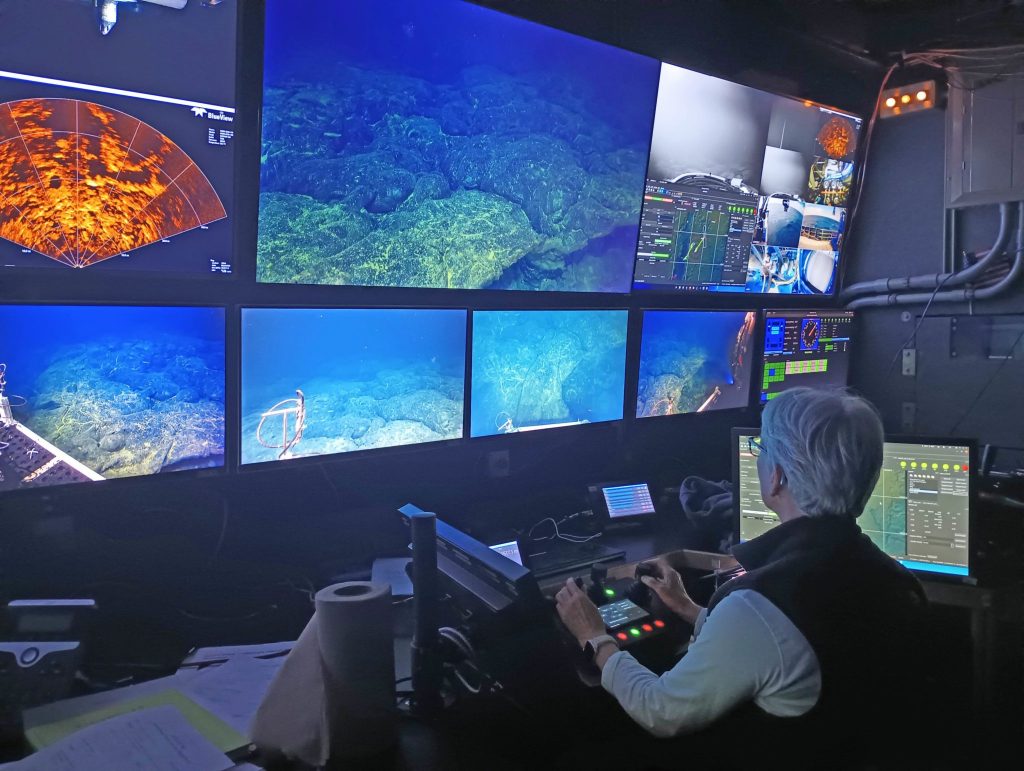
Dr. Jackie Dixon, University of South Florida My first cruise to the Juan de Fuca Ridge was in 1980. I was an undergraduate, but had taken some time off to serve as a marine navigator on the USGS vessel R/V S. P. Lee. This was before GPS and navigation, for science was done on a paper…
Read MoreBusy Days At Axial Seamount
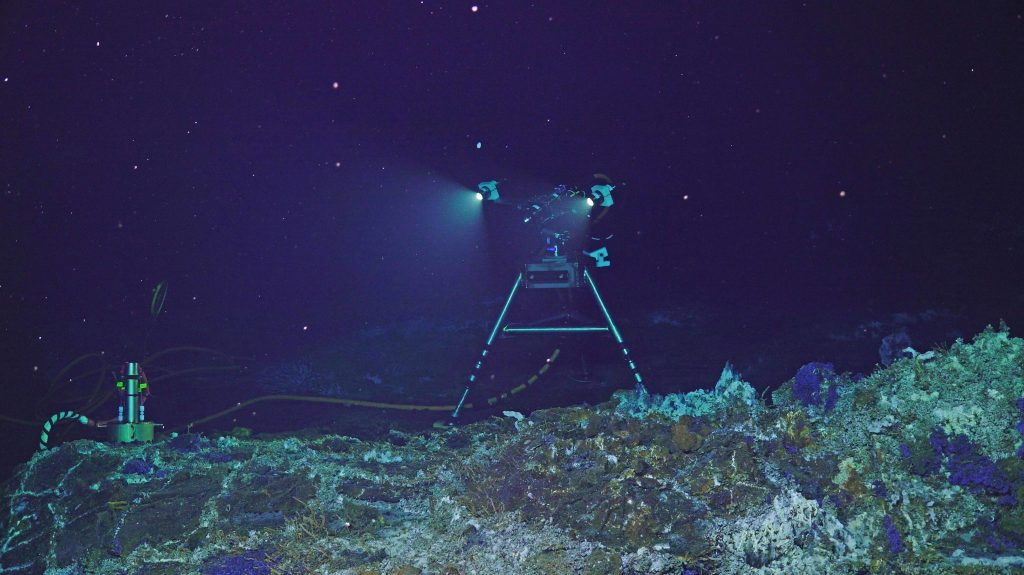
We returned to our friend Axial Seamount on Monday, August 18 – the weather and sea gods decided to be kind and we were able to immediately dive once we reached the summit. Many of our initial dives focused on turning a small, cabled substation (junction box) and instruments in the International District Hydrothermal Field…
Read MoreSwells Gallore
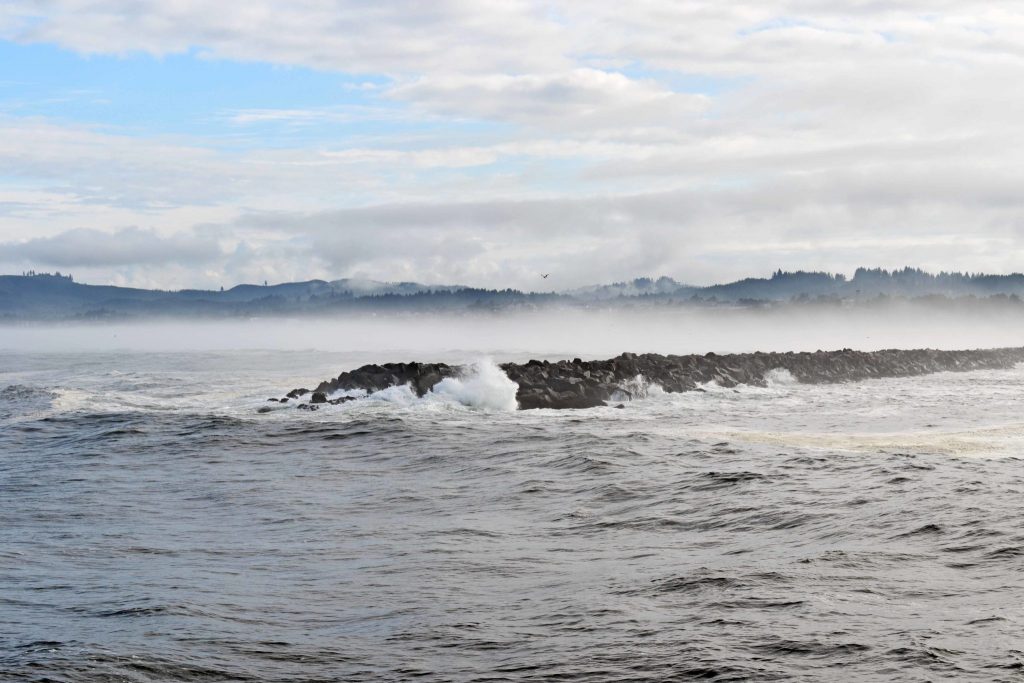
The morning of August 17th, was met with much excitement as the R/V Atlantis was scheduled to depart at 0830. The morning was filled with insuring 1) all team members were onboard; 2) all gear was stowed and secured; and 3) that a secondary junction box (benthic experiment platform – BEP), zooplankton sonar, and digital still camera were ready for deployment. With…
Read MoreLeg 1 A Success!
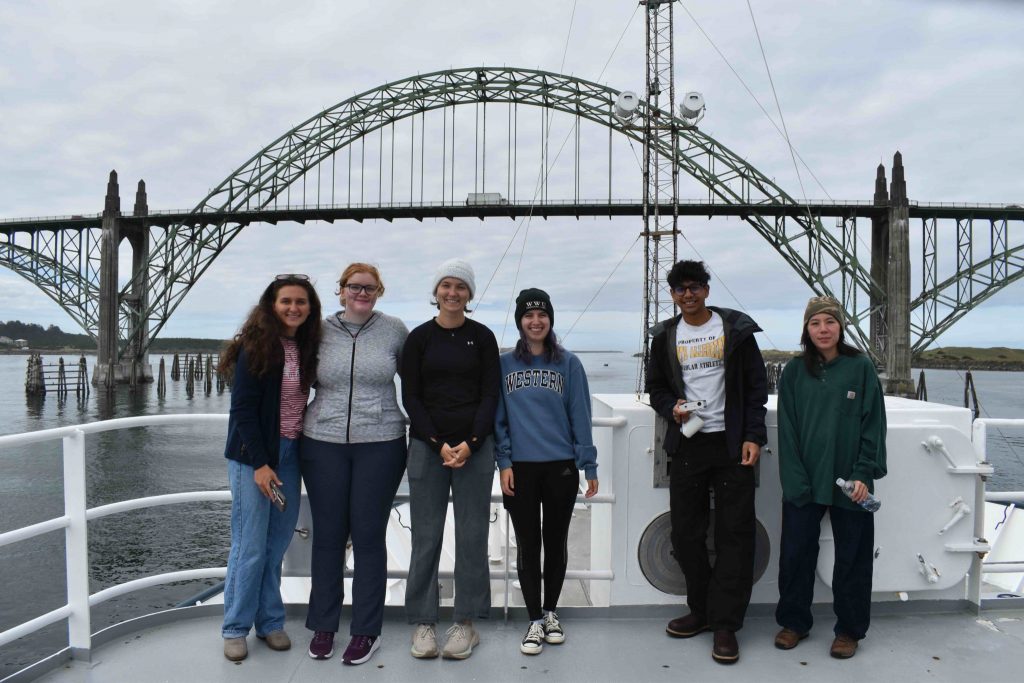
Leg 1 of VISIONS 2025 (completed August 15) was successful in achieving all the planned science objectives, and two recovery dives at the end that were originally scheduled for Leg 2. During the 12 days at sea, the ship went to all Regional Cabled Array sites. The ROV Jason completed 27 dives. All the instrument packages on three Shallow Profiler Moorings were turned,…
Read MoreWind, Waves, Krill, and Seafloor Ice
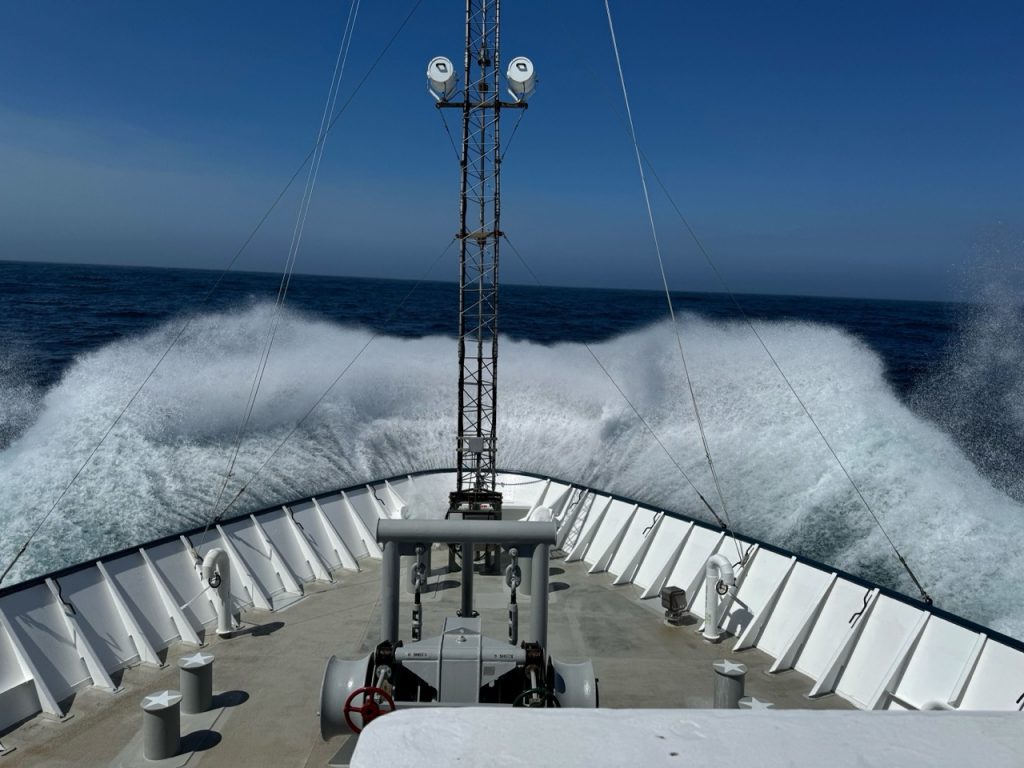
Working at sea brings unique challenges. The one we commonly experience on RCA cruises is weather, specifically wind and waves. When wind and waves combine, they create swells, groups of waves with an average height and period that can travel long distances. At our sites, the average wave height is usually around 3 to 6…
Read MoreV25 Leg 1 Students’ Reflections on Hydrothermal Vents
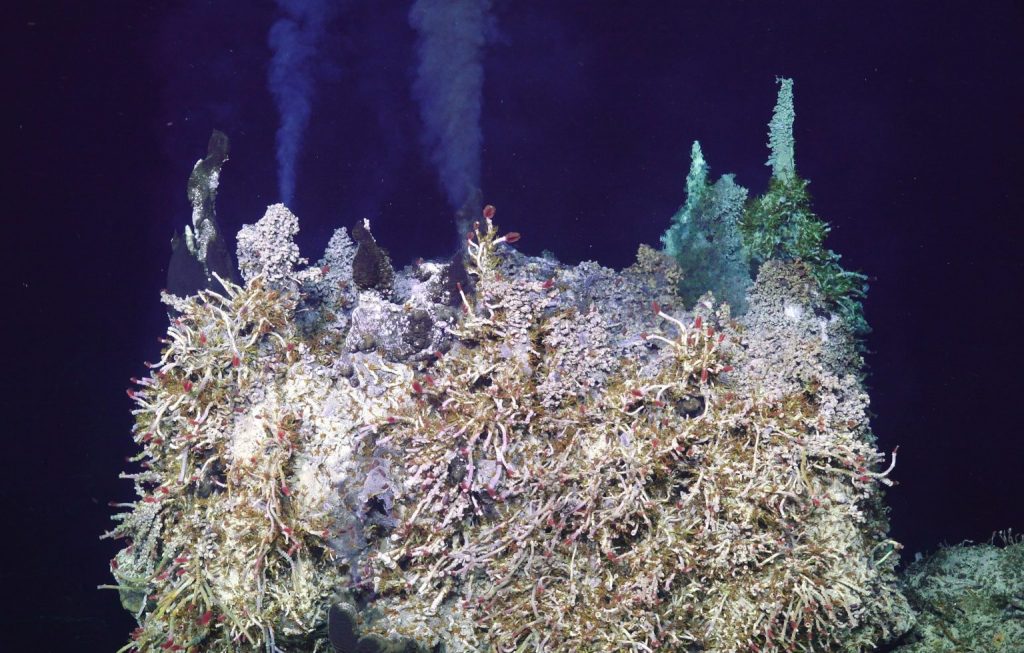
On August 8th, we visited the ASHES Hydrothermal Field near the western caldera wall of Axial Seamount. This was the first dive in the caldera of Axial Seamount of VISIONS’25 and a very exciting one for new and old folks alike. Axial Seamount has been under much scrutiny lately due to increased seismic activity and…
Read More