Dispatch 5: Meet Rosie
Jennifer Kosty (Yale University)
September 22, 2026
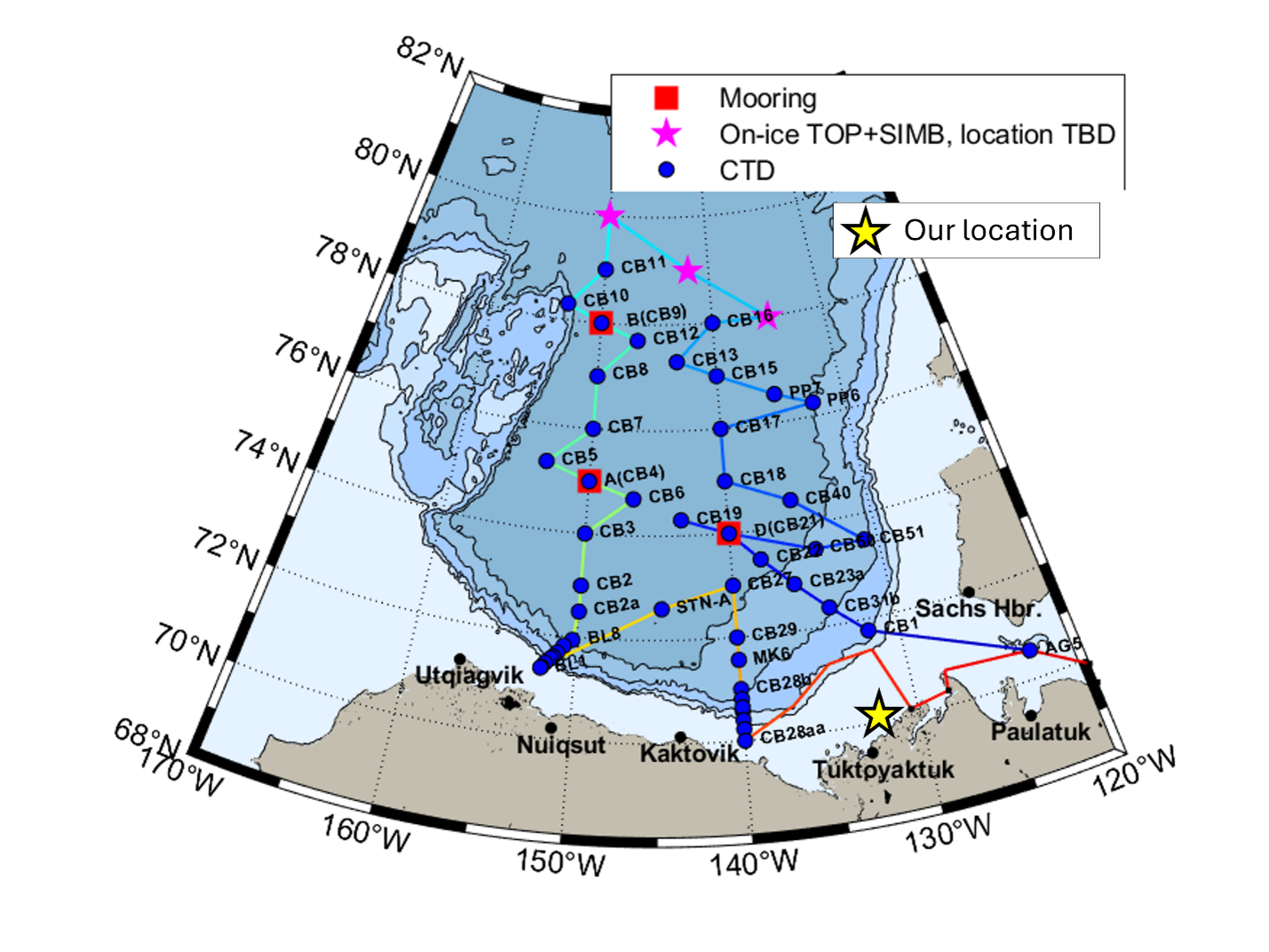
14:00 local, 70.15◦N, 133.31◦W
Conditions:
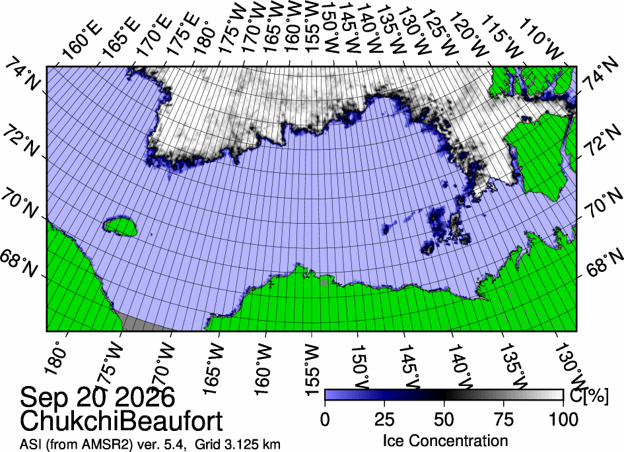
- 0% sea ice cover
- 0.4◦C
- Sunrise: 08:34 MDT (local)
- Sunset: 20:55 MDT (local)
- Day length: 12 hours, 21 minutes
We had a quiet start this morning. The plan had been to arrive at our second science station (CB1) around 9 am, however, the Louis was diverted to the Tuktoyaktuk Peninsula to acquire additional medical supplies needed on board. This diversion has brought us into whale territory, so we have reduced our speed to 10 knots in order to protect any animals in the area. A lucky few have already reported sightings of bowhead whales today, so we are keeping our eyes peeled!
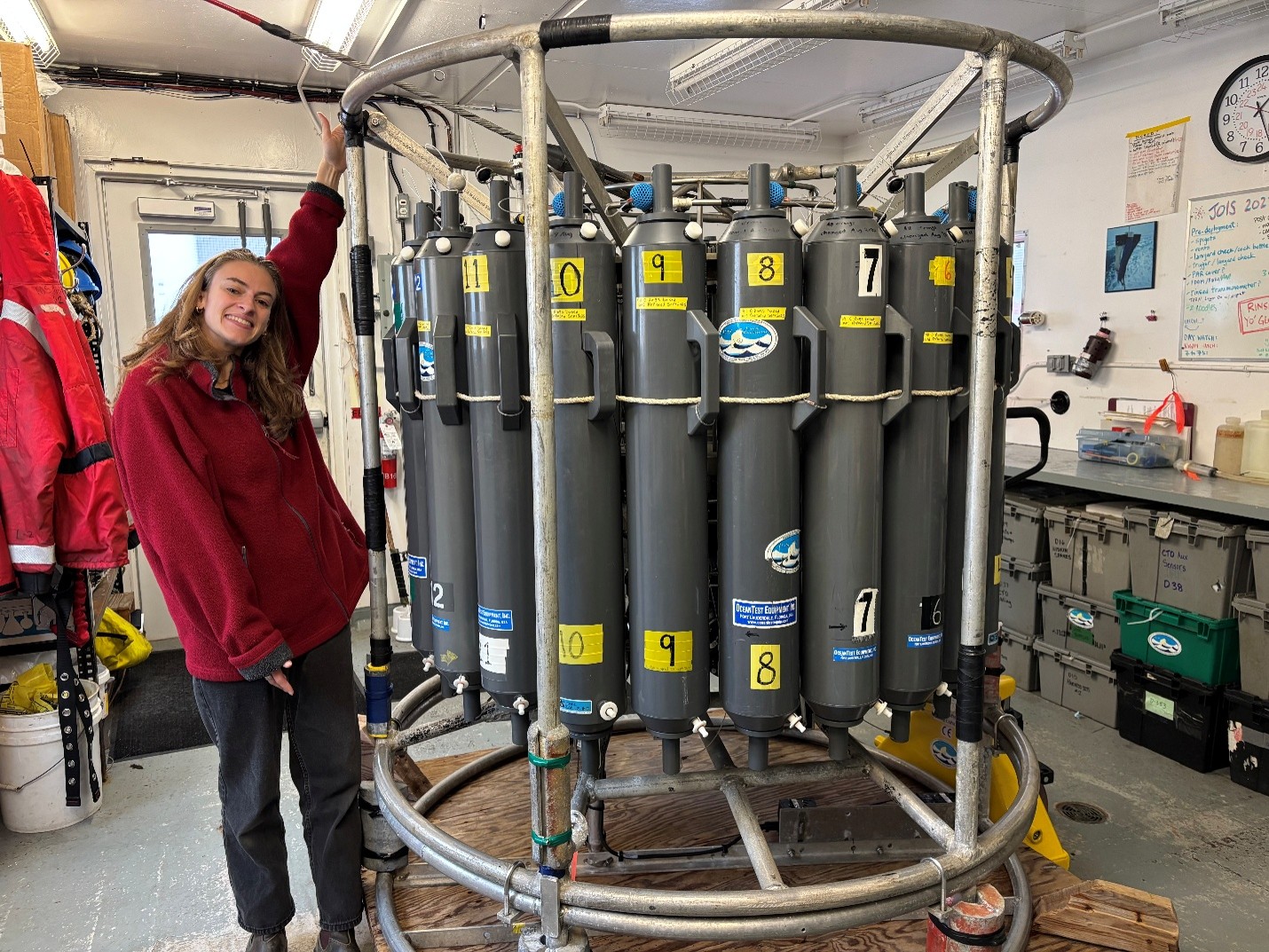
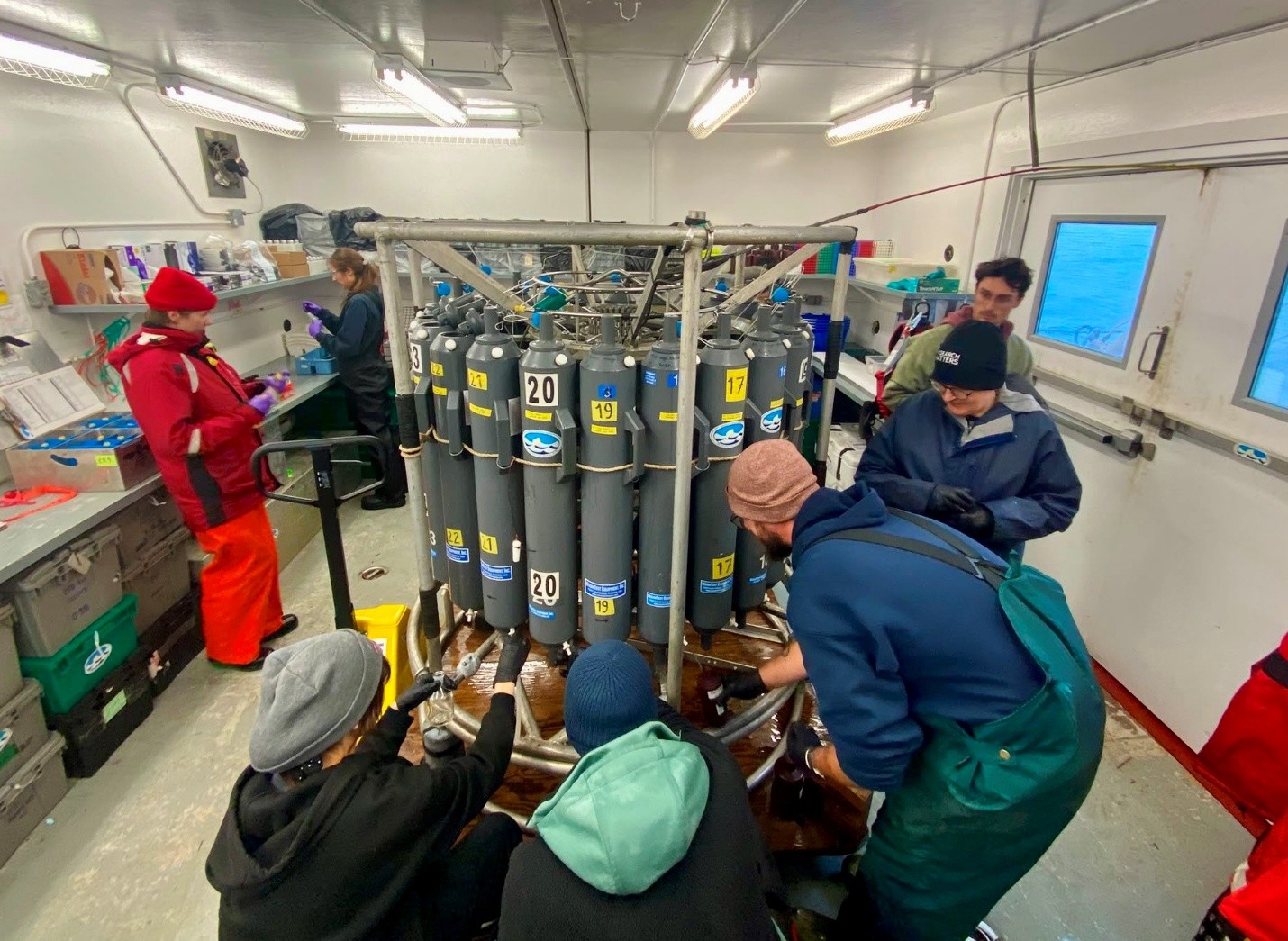
In the meantime, I thought today’s dispatch would be a good place to introduce you to our beloved CTD-rosette, known around here as “Rosie”. Rosie has been part of the BGOS/JOIS program since its beginning in 2003 (making her one of the longest-serving team members) and is an essential component of our on-board data collection efforts. At each science station, the watches will work with the deck crew to lower Rosie down to the sea floor and then bring her back on board. There are several sensors mounted on Rosie’s frame that collect vertical profiles of important oceanographic properties (including temperature, salinity, dissolved oxygen, chlorophyll, and many more!) during this long journey. As Rosie is brought back to the surface, water samples are collected using the 24 Niskin sampling bottles mounted on her frame. These water samples are used to calibrate Rosie’s sensors and obtain measurements of more complex ocean properties, including alkalinity, dissolved inorganic carbon, and nutrient concentrations.
We hope to arrive at CB1 later today or early tomorrow morning, where we will complete our second science station! We expect to start seeing sea ice soon as we begin our northward journey!