Dispatch 26: A night in the life
Jennifer Kosty (Yale University)
October 13, 2026
11:00 local, 71.21◦N, 152.06◦W
Conditions:
- 0% sea ice cover
- -7.1◦C
- Sunrise: 10:16 PDT (local)
- Sunset: 19:32 PDT (local)
- Day length: 9 hours, 16 minutes
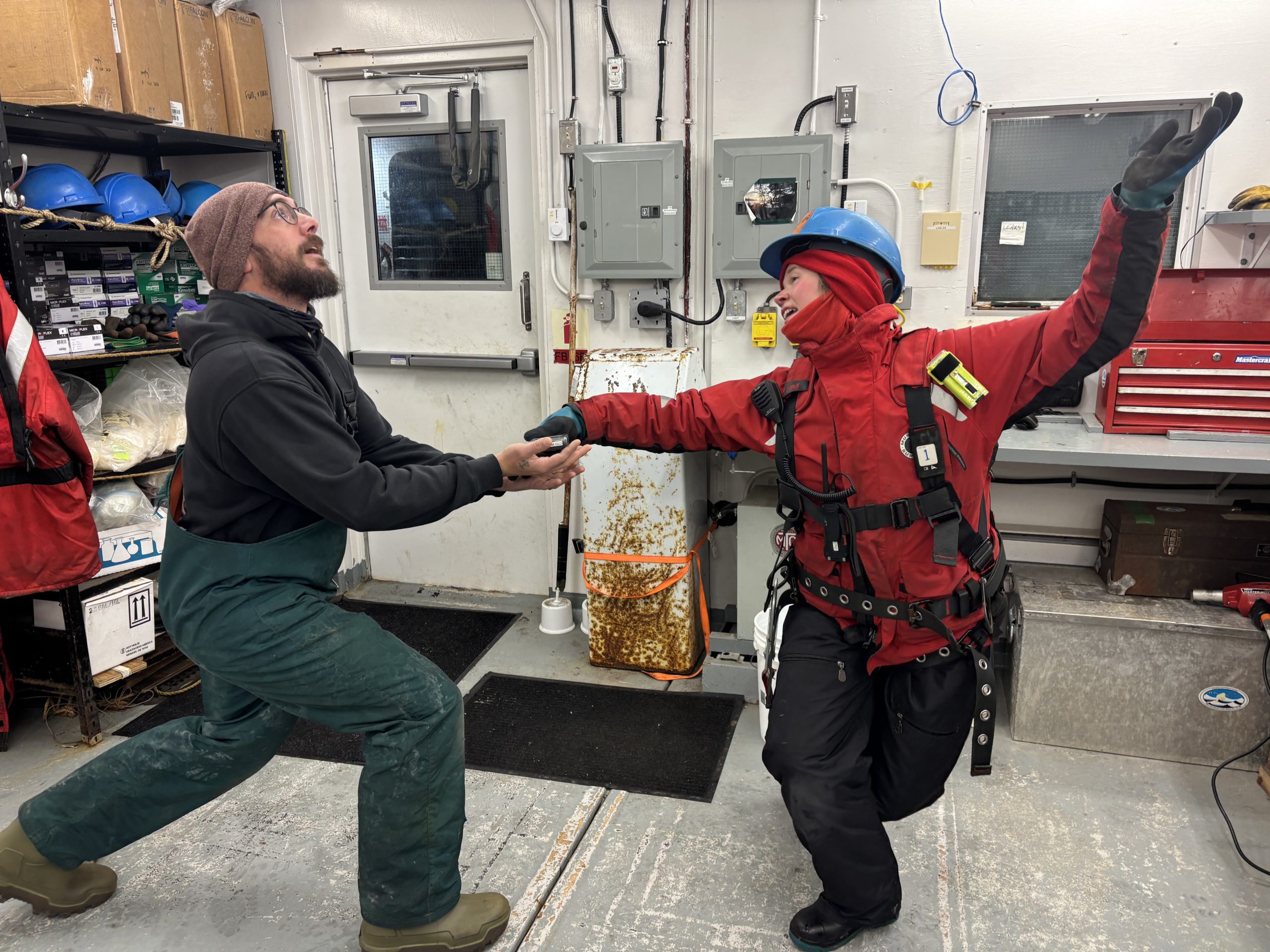
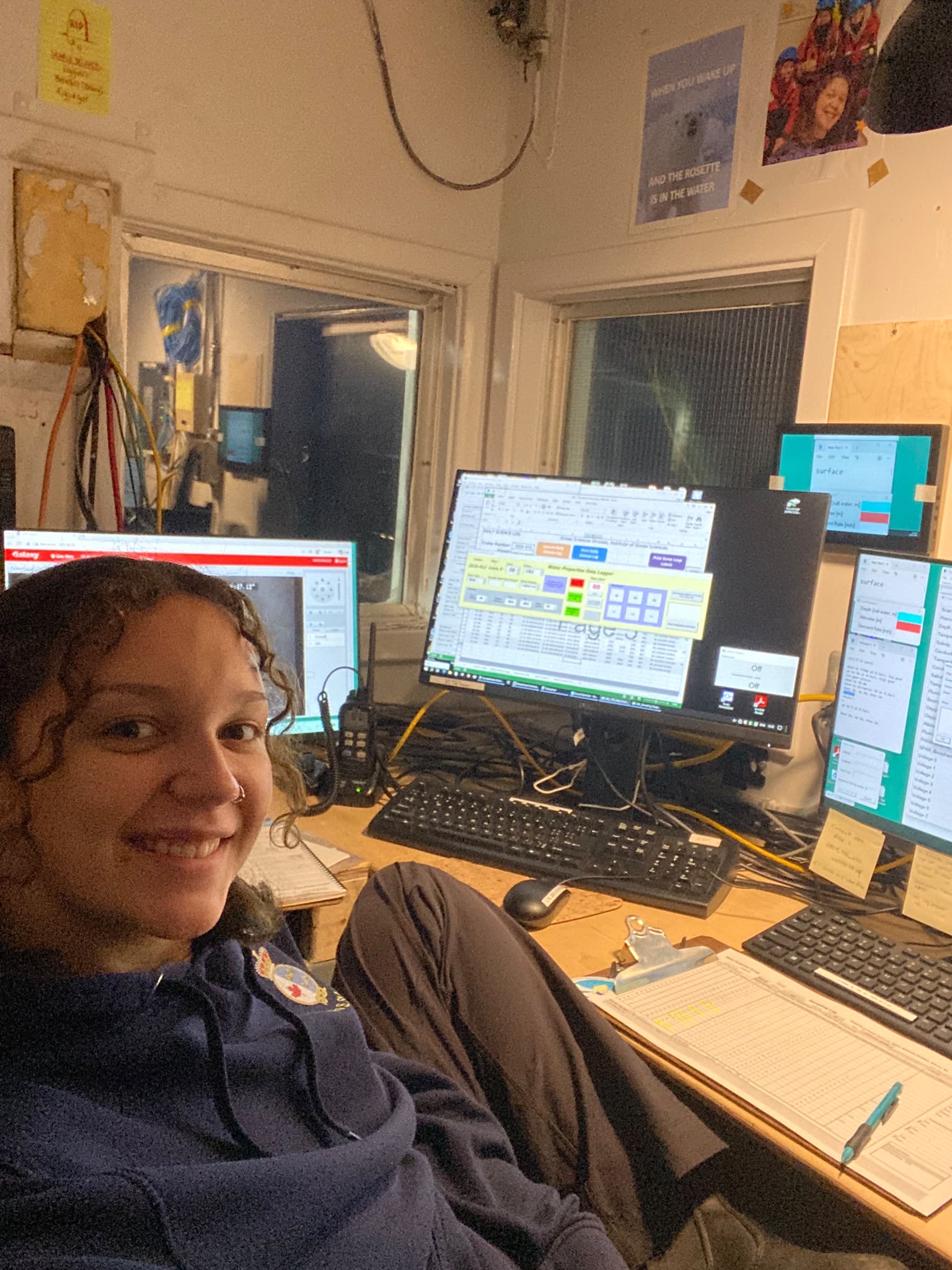
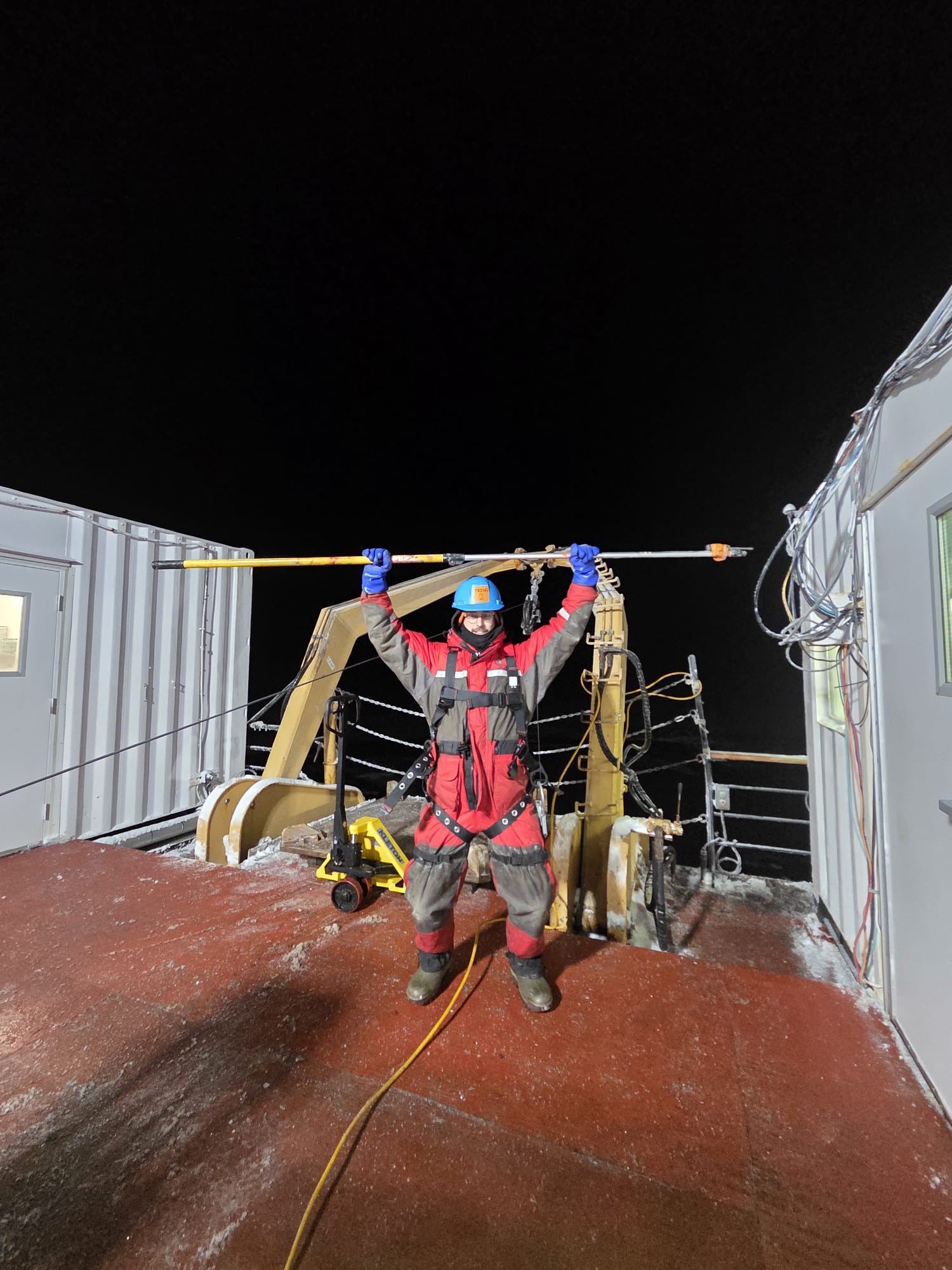
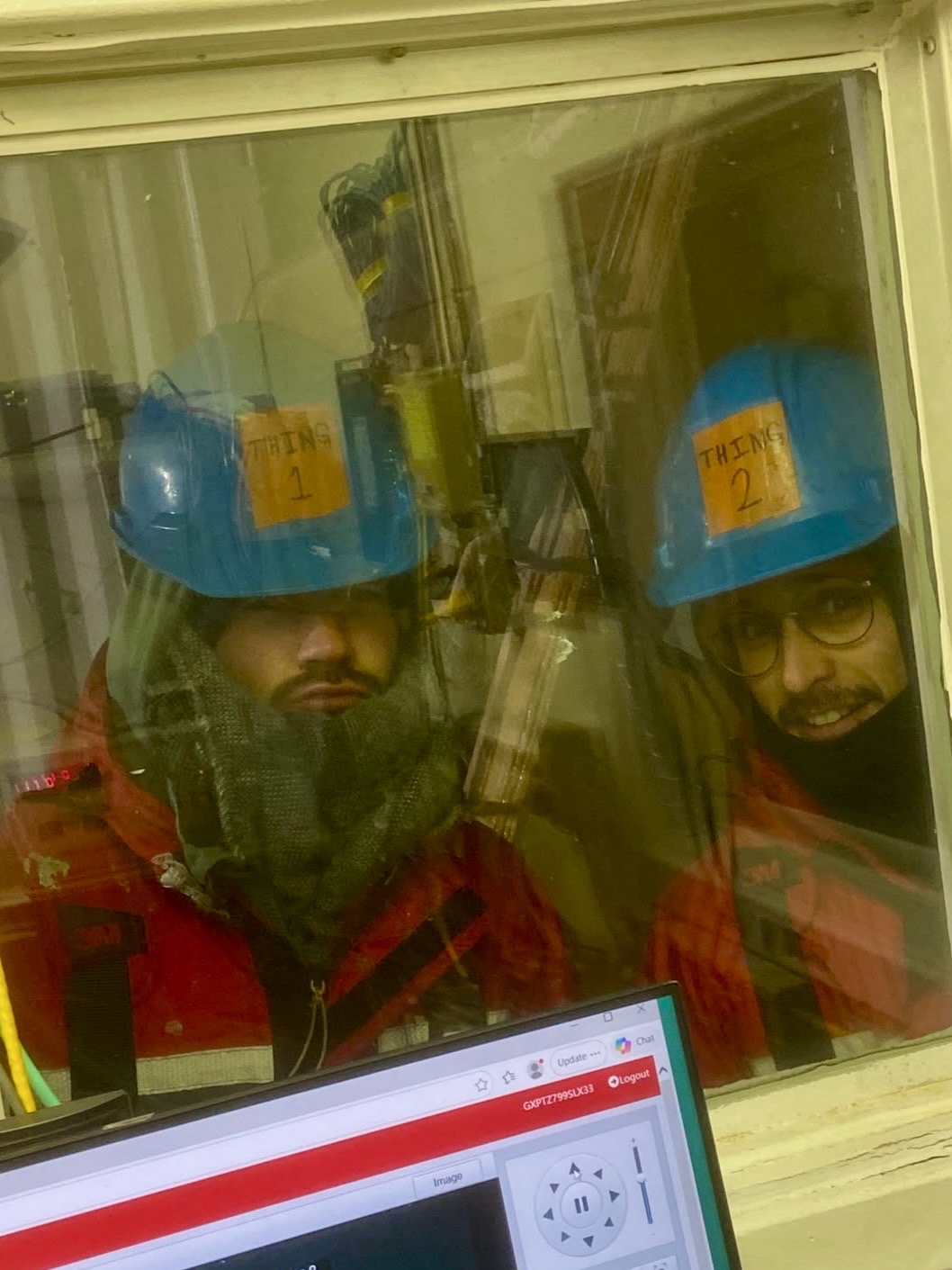
With just over a week left in the 2026 BGOS/JOIS expedition, I wanted to dedicate today’s dispatch to highlighting the hard work of our CTD night watch! The night watch consists of watch leader Chris Clarke and watch standers Kalum Delaney, Clement Feriot, and Collette Leclerc. Michiyo Yamamoto-Kawai also assists with collecting water samples from the rosette and processing alkalinity samples during the night.
Night shift runs from midnight to noon, meaning that these 5 spend most of their time working in total darkness. They were kind enough to walk me through a typical day (or, rather, night) in their life on the Louis. The night crew usually sleep from 3 - 11 pm; the day shift always tries to have a fresh pot of coffee brewing for when they wake up! They’ll enjoy a DIY meal in the mess, often a yogurt bowl with granola, and then get ready for their shift.
The night shift’s responsibilities are exactly the same as ours during the day; they complete rosette casts, use the BONGO nets to collect zooplankton samples, and process water samples. The main difference is that very few members of science team and ship’s crew are awake for the bulk of their workday. Their free time is, therefore, spent doing more quiet, solitary activities like reading, coloring, knitting, and working out.
By the time 7:30 am rolls around, the night shift is more than ready to enjoy a hot breakfast in the mess. Favorites among the crew include eggs benny and chocolate chip pancakes. They will then continue working until noon, at which point they hand the rosette responsibilities over to the day shift.
Having been a night shift watch stander on a previous BGOS/JOIS expedition, I can attest that working nights is no easy feat. Still, our night-shift crew continues to rise to the occasion!
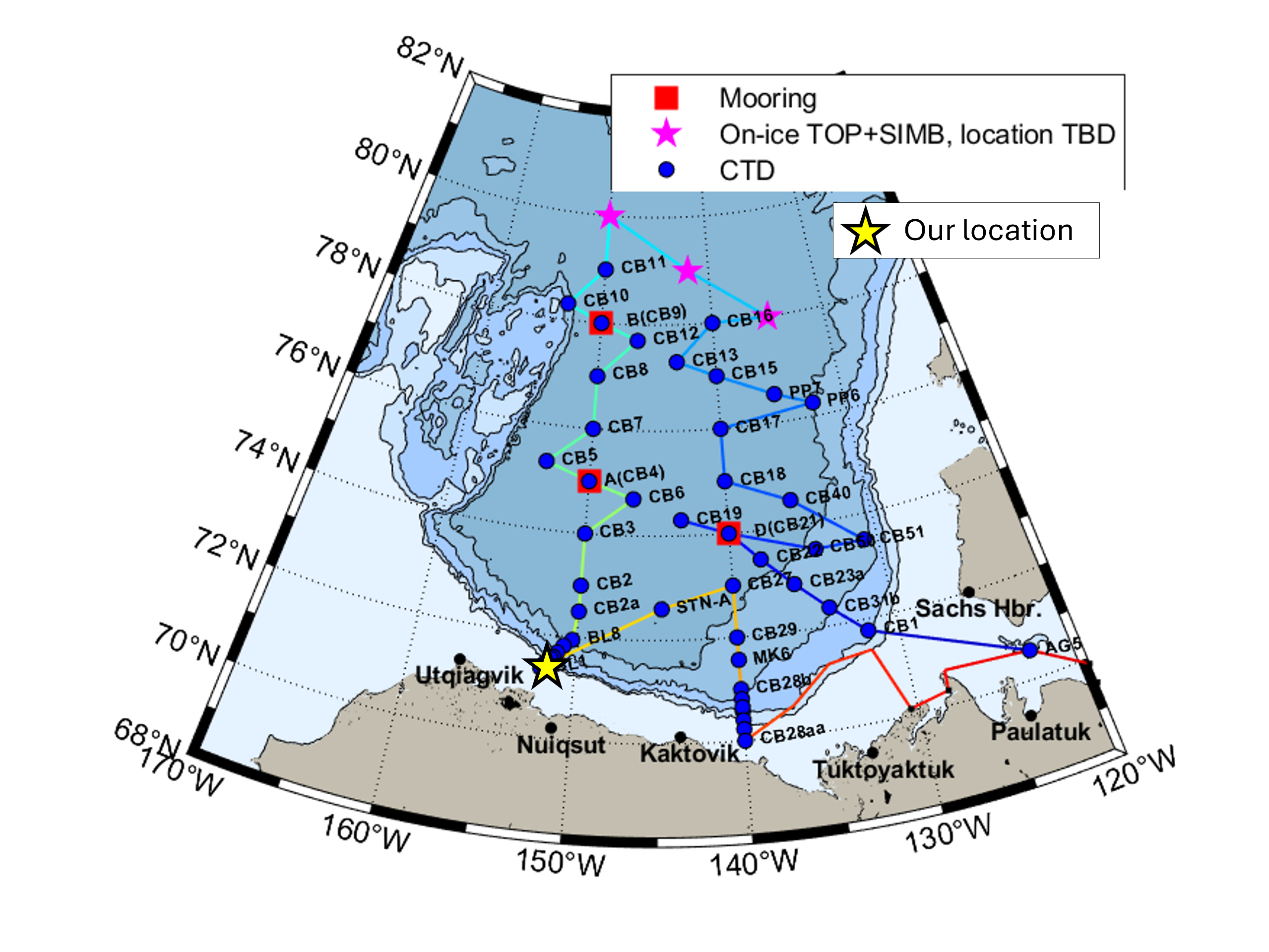
The night watch will be truly tested over the next couple of days as we have reached the infamous BL-line. The next 24 hours will be spent completing back-to-back CTD-rosette casts as we travel up the continental slope. Needless to say, this is one of the busiest times of the cruise for our watches and analysts. More on the BL-line in tomorrow’s dispatch!